
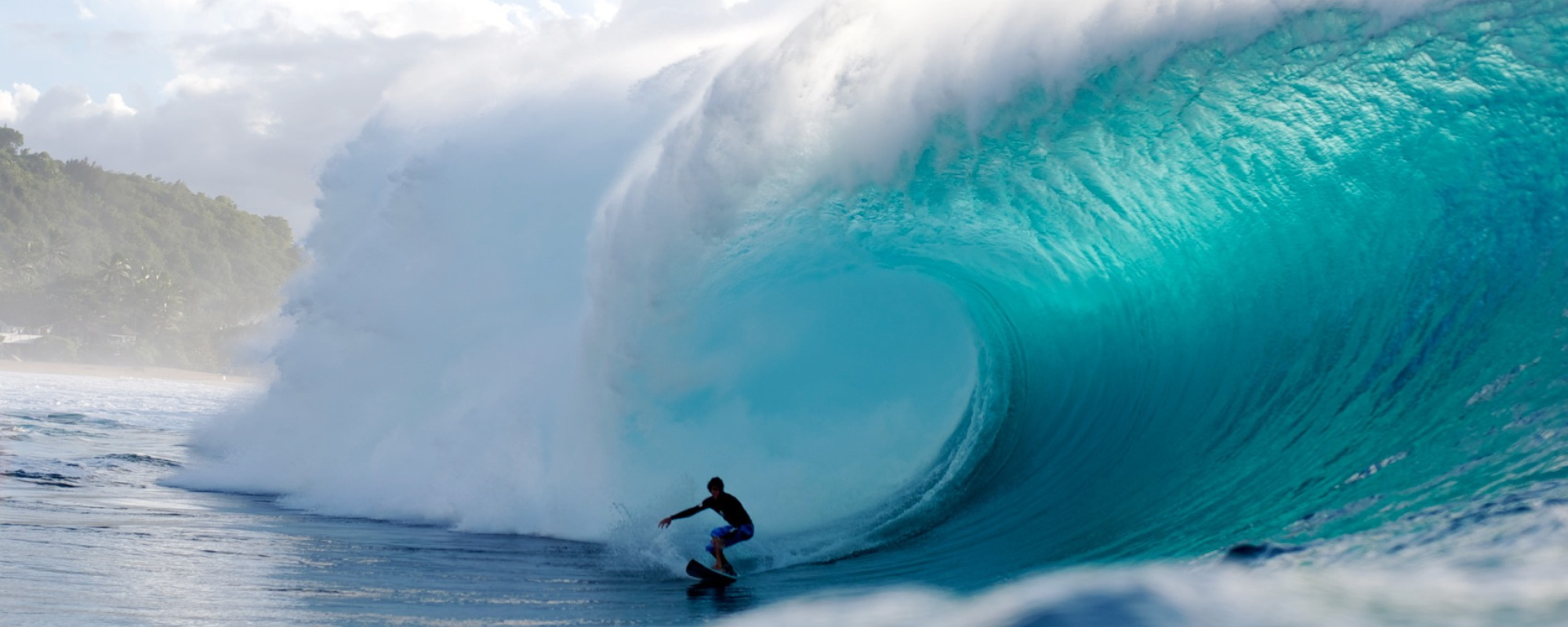
What Does It Take To Save Pipeline & Sunset Beach?
Photo: Morgan Maassen / @morganmaassen
Pipeline, or ‘Ehukai Beach Park, is a heavy and hollow break on O‘ahu’s North Shore. Regarded by many as the best and also most dangerous wave in the world, due to the aggressive lineup and the force of the waves breaking over shallow lava rock reef. Sunset Beach, or Paumalū, is a very consistent, large lava-rock reef with multiple sections that amplifies swell from a wide angle of Pacific swell trajectories, making it one of the most consistent producer of quality big waves in the world — although the open-ocean swell energy, shifting peaks, and strong winds can make for tricky conditions.
The Threat of Development
The scenic bluffs overlooking the famous North Shore waves of Sunset Beach, Rocky Point, and Pipeline were under threat of development from the Japanese Obayashi Corporation. Originally purchased in 1974, Obayashi presented plans in the late 1980s to build a gated community with over 300 homes.
.jpg?width=1200&height=798&name=Sunset_Beach-(1).jpg)
Sunset Beach, 1976. Photo: John Witzig / @johnwitzig
Keep The Country, Country
Waimea pioneers Peter Cole (former chair of Surfrider O‘ahu) and Fred Van Dyke organized against a 1,130-acre multi-use hillside development directly behind Pipeline; the project would go through a series of defeats and resurrections for almost 20 years until the state finally bought the land in question and turned it into a park reserve in 2007.
The North Shore Community Land Trust (NSCLT), an all-volunteer coalition of citizens and business leaders, was formed to find money to buy the property and to place it in reserved public lands. The NSCLT gained widespread community support and eventually had backing from the State of Hawai‘i, the City of Honolulu, as well as the military and federal agencies.
Working through our partners at the Surfrider Foundation Japan, a meeting was arranged between representatives of Obayashi, the land owner seeking development, and NSCLT at Obayashi’s headquarters in Tokyo. NSCLT asked North Shore resident and musician Jack Johnson to represent NSCLT at the meeting in Japan. Johnson encouraged Obayashi to consider the Trust for Public Land’s purchase offer, and years of community persistence and relationship building paid off when Obayashi agreed to sell the land.
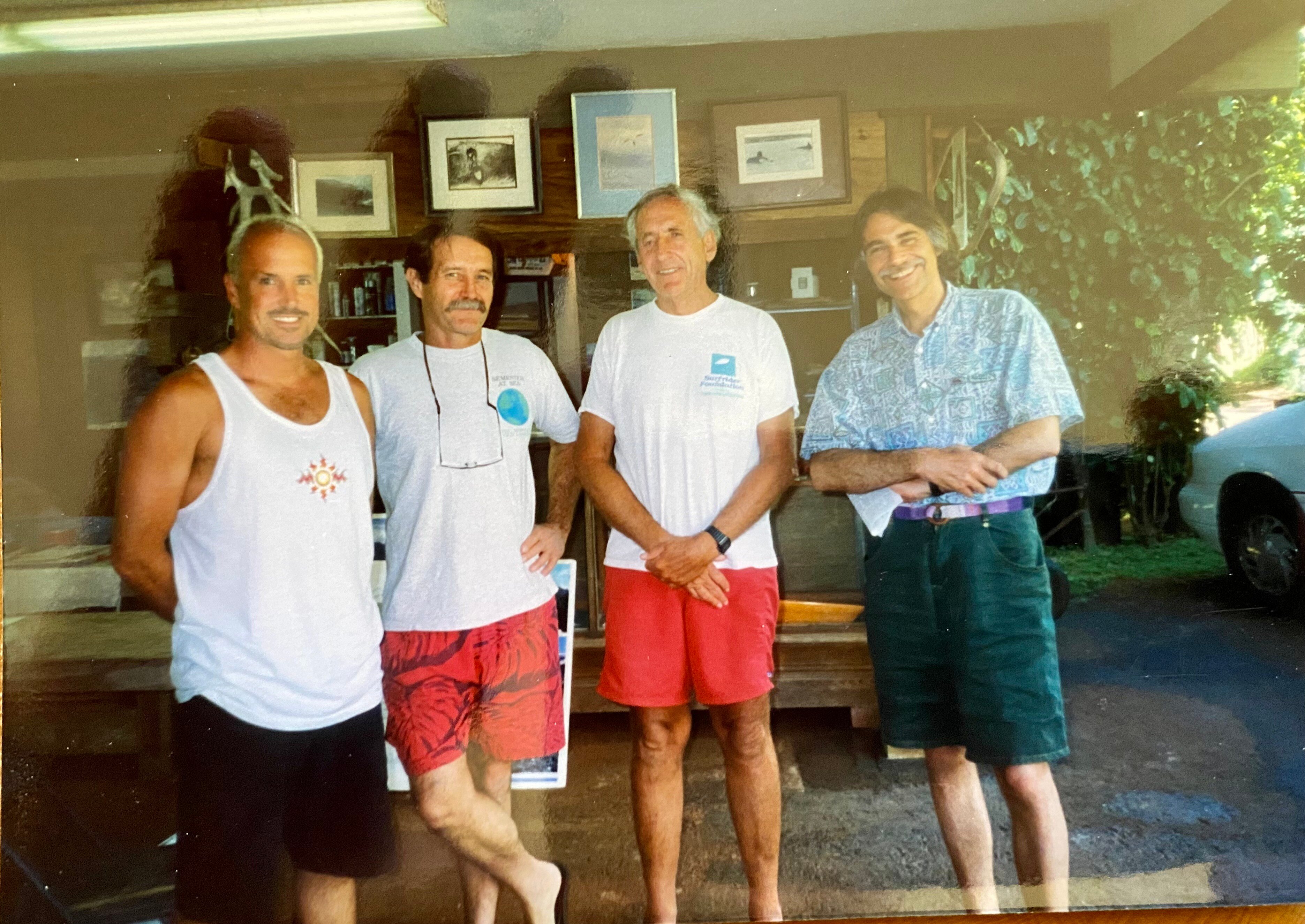 Surfrider O‘ahu played an important role in keeping the fight alive by giving financial assistance for the lawsuits, bringing key players together such as the Trust for Public Lands and Surfrider Japan, and spreading the word around the world about what may happen to our treasured North Shore.
Today, the 1,130 acre conservation easement is still protected and maintained by NSCLT and State Parks. Directly across the street from Pipeline Beach (‘Ehukai Beach Park) is now a very popular 4 km trail that goes up to an old pillbox with spectacular views of the surf below, especially during winter months. Thanks to this conservation easement, these world-class surf breaks, westward coastal waters (current runs west), and reef ecosystems are protected from pollution and runoff that would accompany any major developments within the area. While this stretch may be protected from development-related runoff and sediment, beaches on the North Shore of O‘ahu face chronic coastal erosion on account of extremely large swells driving seasonal and long-term beach erosion exacerbated by extensive coastal armoring.
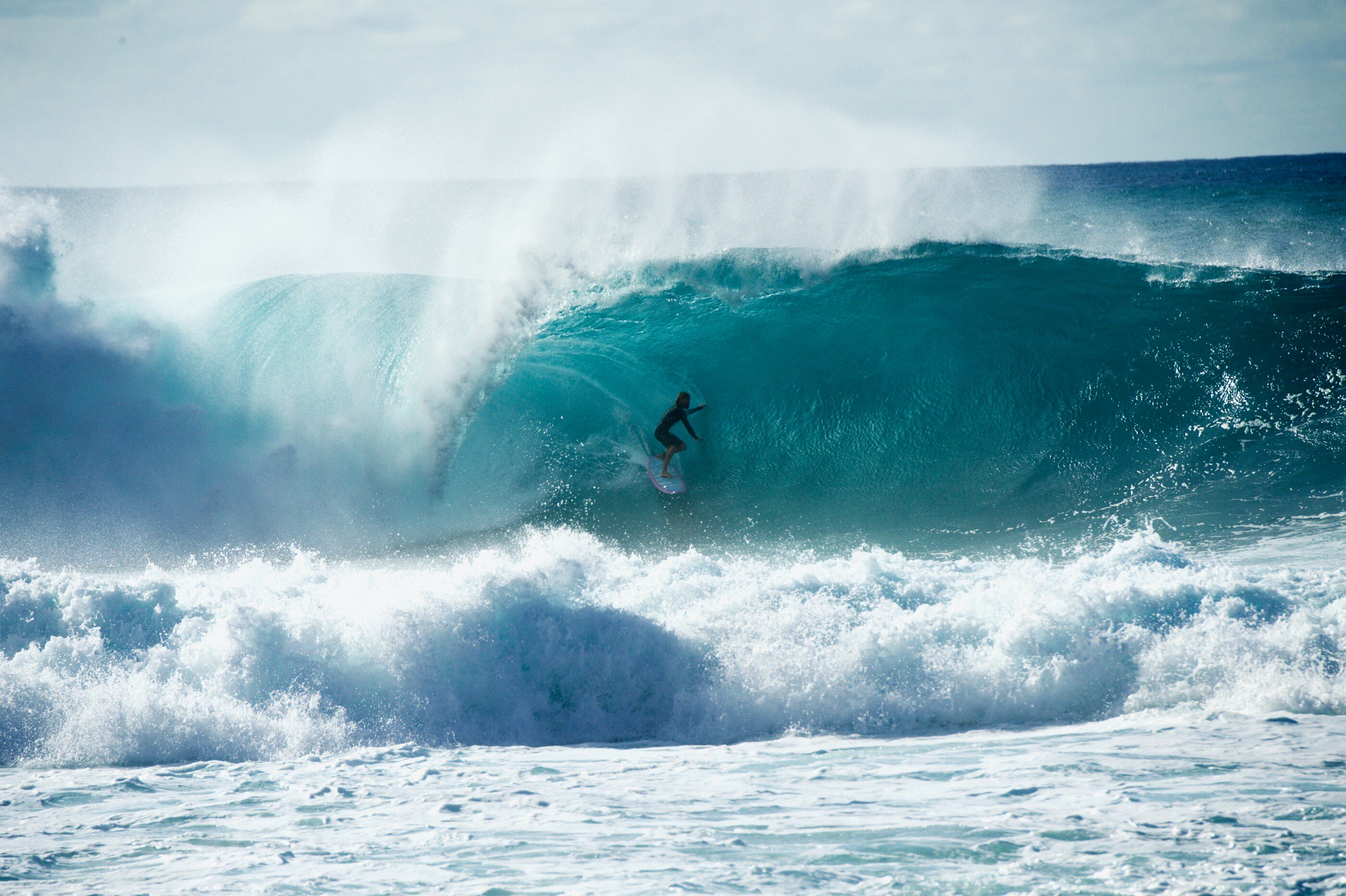 Photo: Morgan Maassen / @morganmaassen
To help address this issue, Surfrider is part of the North Shore Coastal Resilience Working Group, collaborating with local stakeholders to find solutions to protect the beach for all people. With homes having recently collapsed at Rocky Point and Kammies, this work is taking on a new urgency, and you can learn more about this developing issue here.