
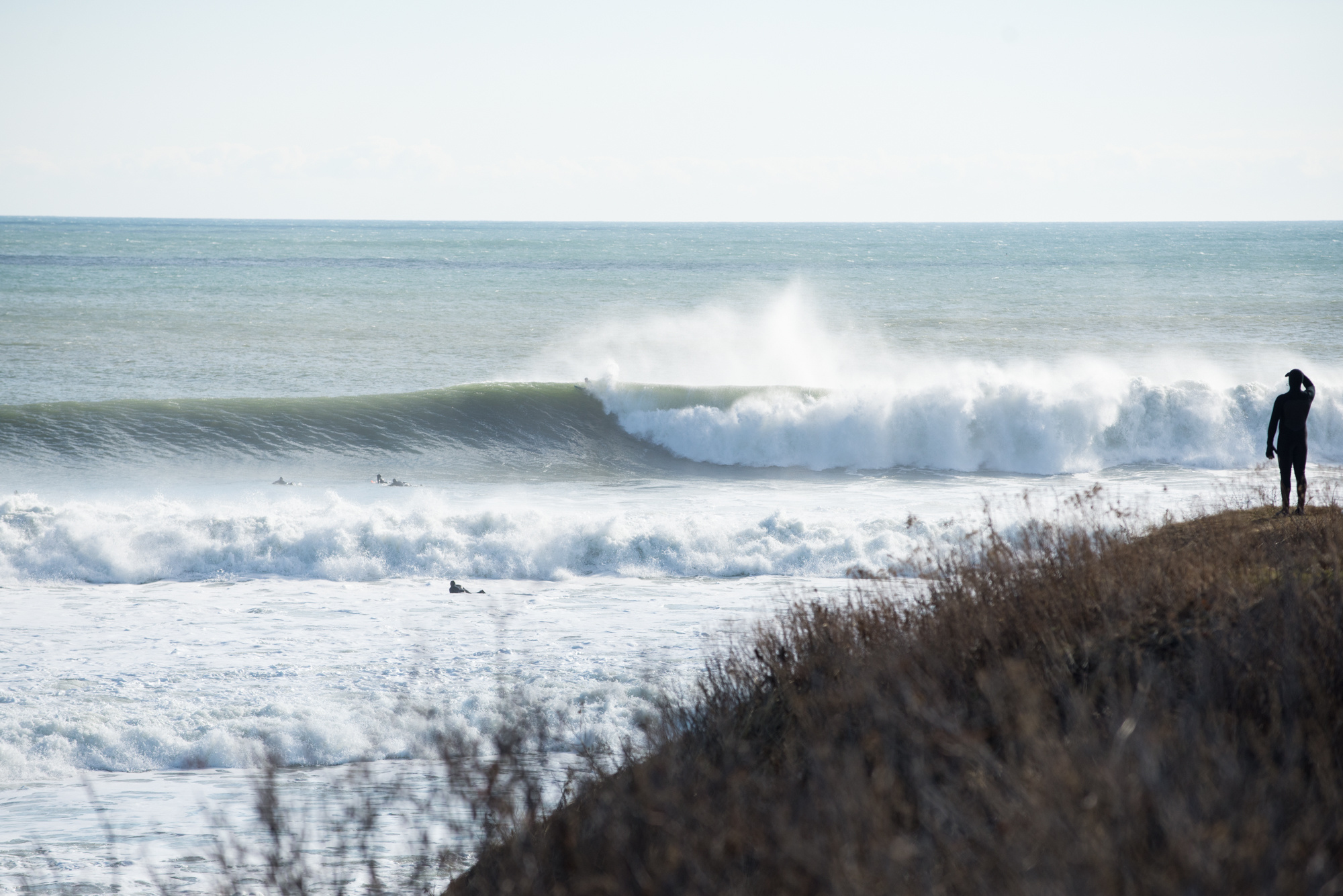
What Does It Take To Save Ruggles?
Photo: Tim Fater / @timfater1
Ruggles, like many Northeastern breaks, has a decades-long, storied history. In 1964, a lone surfer and a single fisherman got into a major conflict about who had the right to be enjoying the public space where Ruggles Avenue met the sea, on the southern end of Easton Bay, Rhode Island. Following the incident, the fisherman, who happened to be the police chief, played an integral role in banning surfing between First Beach and Castle Hill.
Despite the ban, surfers still took to Ruggles, often being kicked out by authorities. Then, in October of 1971, local skateboarding and surf icon Sid Abruzzi decided to push back. Refusing to leave when asked, it took five police cars to arrive and a barrage of shouting before he paddled in. He was arrested, and found guilty in district court by Judge Corrine Grande. Abruzzi decided to take action against the ordinance.
Contrary to the legal advice Abruzzi received, he and his friends continued to surf the spot. Their crew even saved three fishermen when their boat crashed into the cliff, using their boards to bring them ashore. The fishermen were greeted by an ambulance, and the surfers were welcomed by police, who still asked them to leave despite their heroism. Karma was on the surfers’ side, however. By December of that year, Abruzzi was vindicated when surfing at the spot was ruled legal. Today, the spot has been liberated for over 50 years.
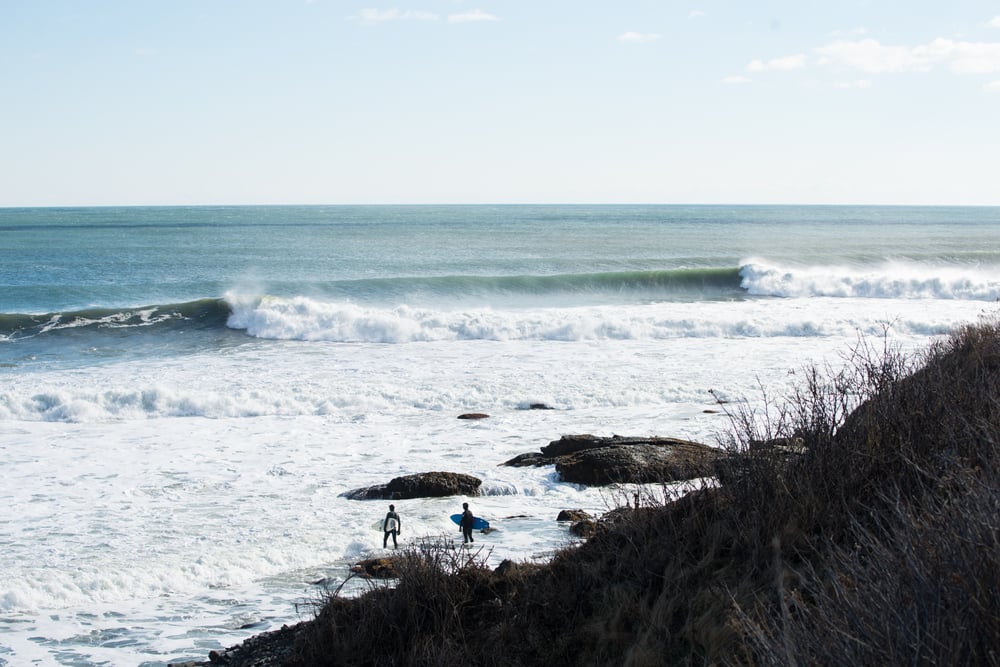 Photo: Tim Fater / @timfater1