
Surfrider Chapters and Student Clubs do incredible work year after year, keeping our beaches and coastlines beautiful and free of plastic pollution. Clean and healthy beaches are a universal benefit; people, wildlife, plants, and our coastal economies all prosper when our beaches are clean. The Surfrider Foundation tracks and shares detailed cleanup data to show the prevalence of plastic and trash on our beaches and uses this data to pass laws to ultimately reduce plastic pollution at the source.
Each year, Surfrider releases an annual Beach Cleanup Report looking at the health of our beaches from a national perspective. But we also think it is important to bring attention to the local stories and highlight the coastal activists doing inspiring work to keep our beaches beautiful. This month, we caught up with Evan Orellana, Surfrider’s Florida and Puerto Rico Regional Manager, to talk about their work sampling microplastics in Palm Beach and what they learned from the project.
Evan, can you give us a quick overview of this project?
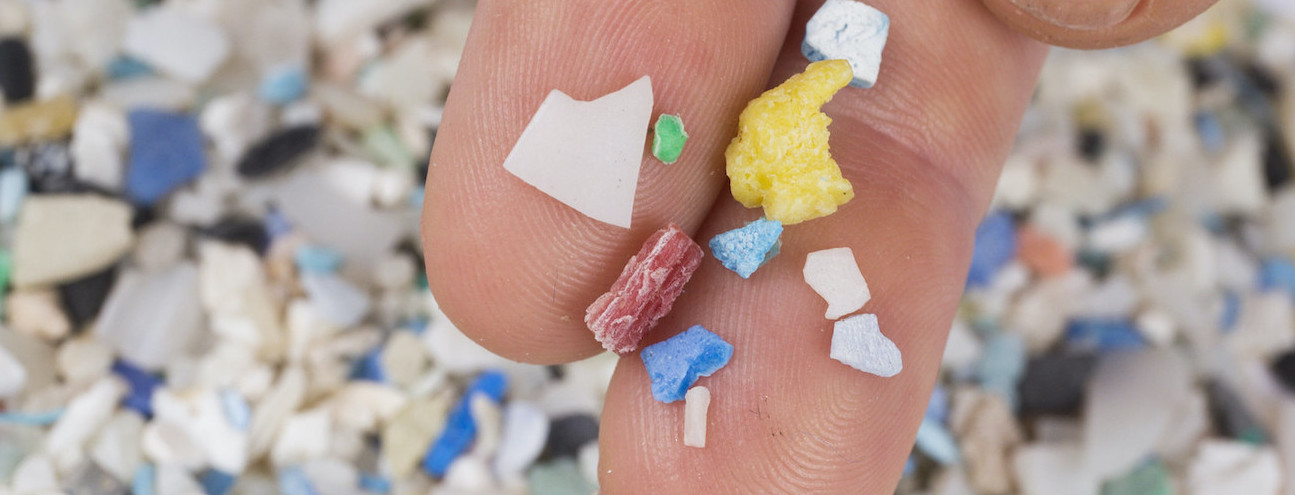
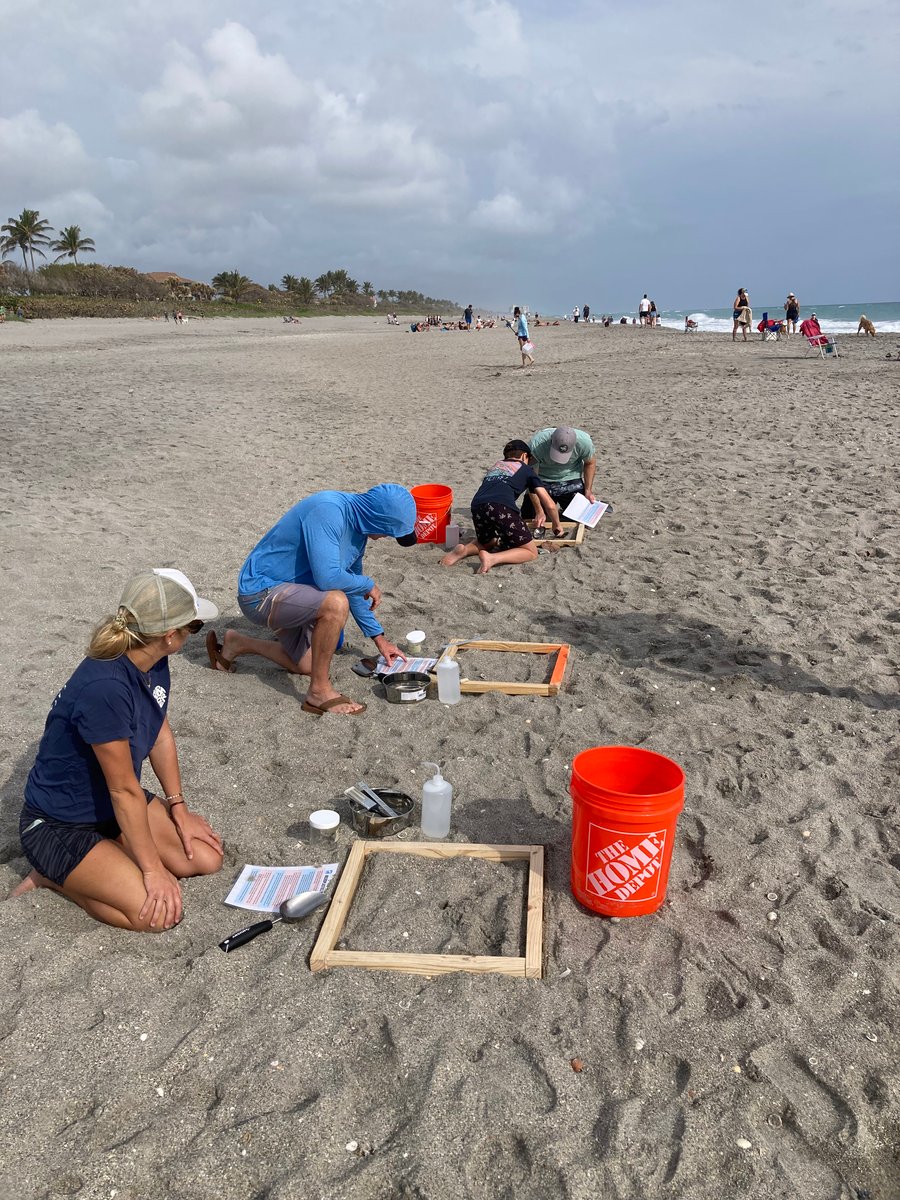
It is no secret that the world’s ocean and coasts have a plastic pollution problem. As plastic is exposed to the elements, it breaks down into smaller and smaller pieces. These small pieces, called “microplastics,” are an emerging issue within the plastic pollution crisis. Last year, Surfrider Foundation’s Palm Beach County chapter performed a microplastic survey at local beaches to help quantify the general abundance of microplastics.
Microplastics, despite their size, sound like a pretty big issue. Can you elaborate a bit more on why they’re such a problem?
Absolutely! Microplastics are described as plastic particles or fibres less than five millimeters in size. Due to their small size, recent studies have found that these particles are present in the air, ocean, food and even throughout the human body. More research on ingested microplastics is needed, but so far we know that plastics can cause negative health impacts in humans, including DNA damage, endocrine disruption, cancer, and diabetes. Even if humans could avoid direct ingestion, toxins found in microplastics can be absorbed by animals, working their way up the food chain and eventually reaching humans.
Yikes! How does the Palm Beach sampling project address microplastic pollution?
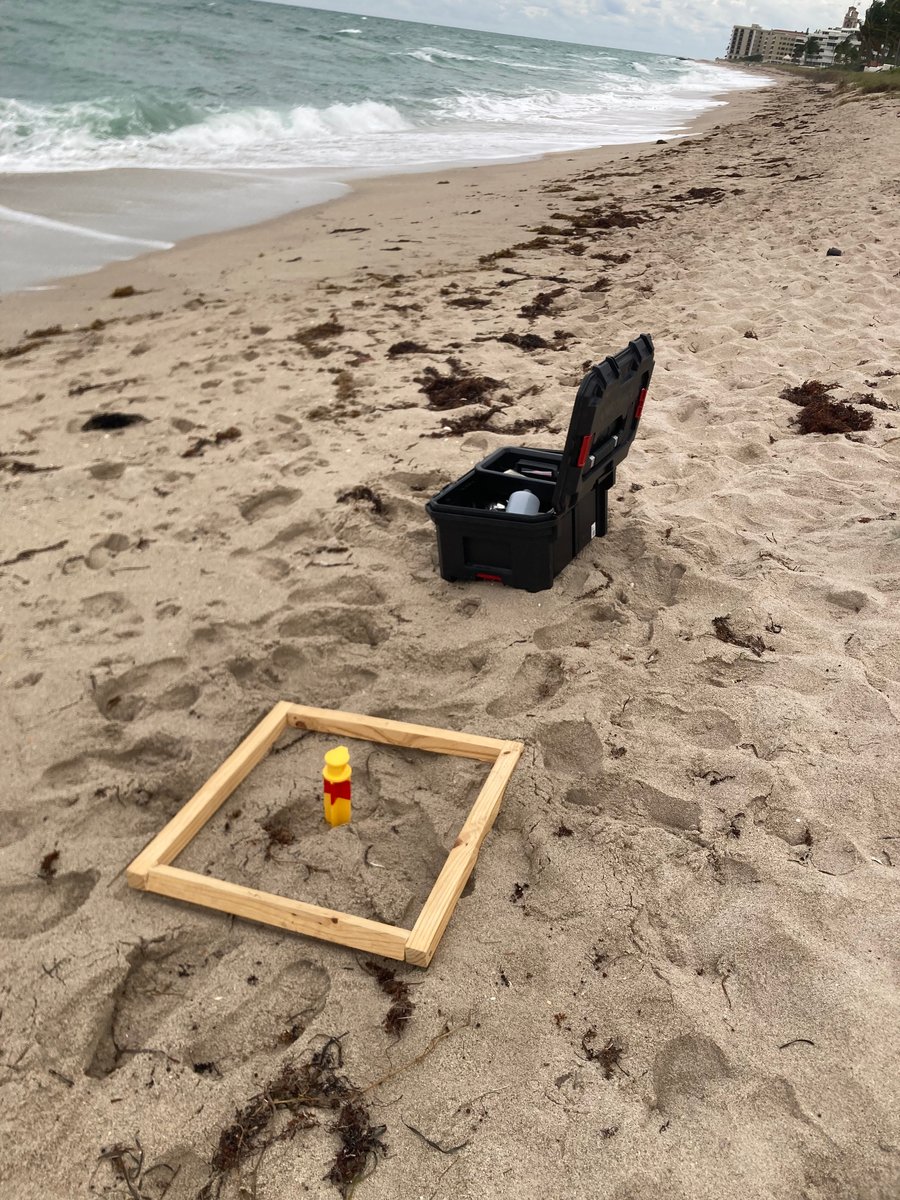
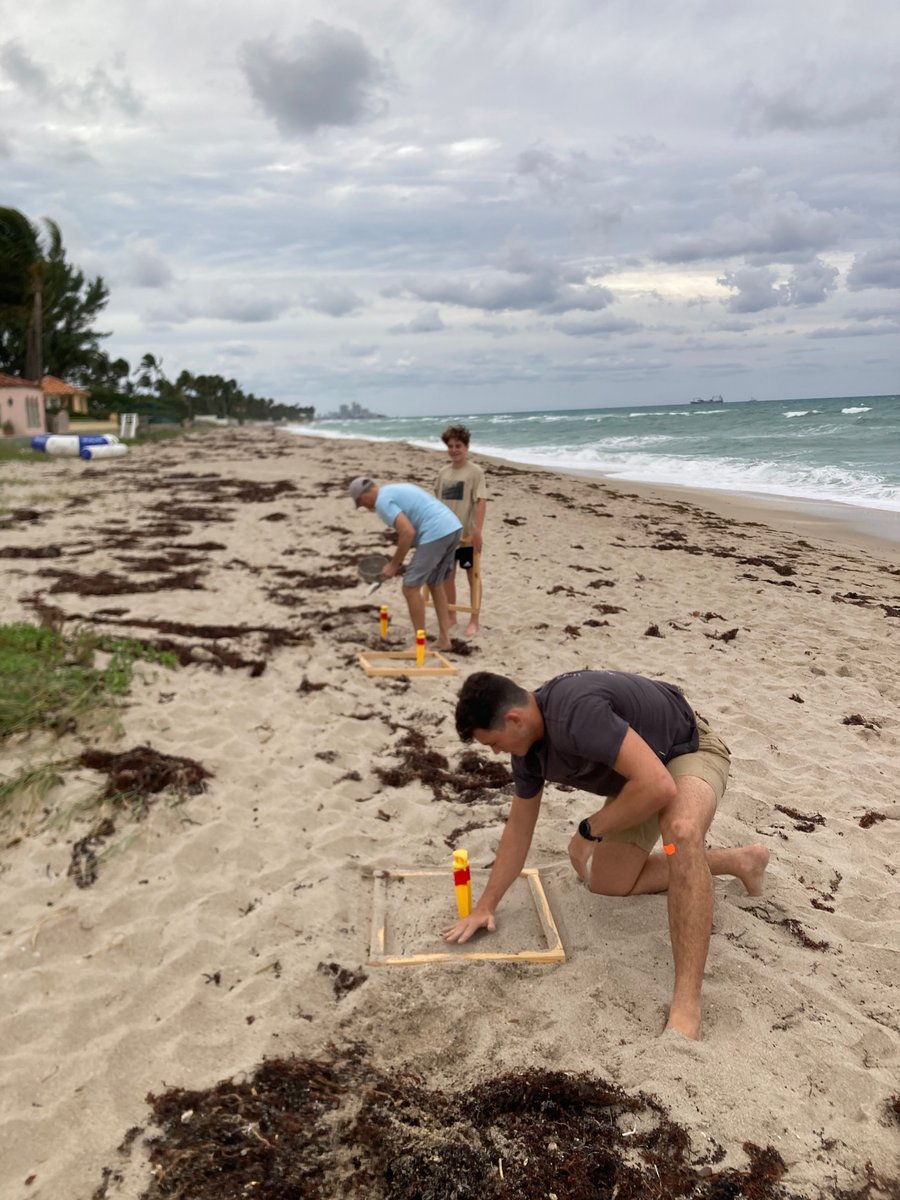
While it is near impossible to remove all microplastics from the coastline, efforts are underway to tackle the problem at the source through advocacy and legislation. It is crucial to survey local sites and quantify the volume of microplastics present so we can share this data with local, state, and federal lawmakers. Surfrider Palm Beach performed a beach survey at 10 sites throughout the county to better understand the distribution, impact, and potential sources of microplastics.
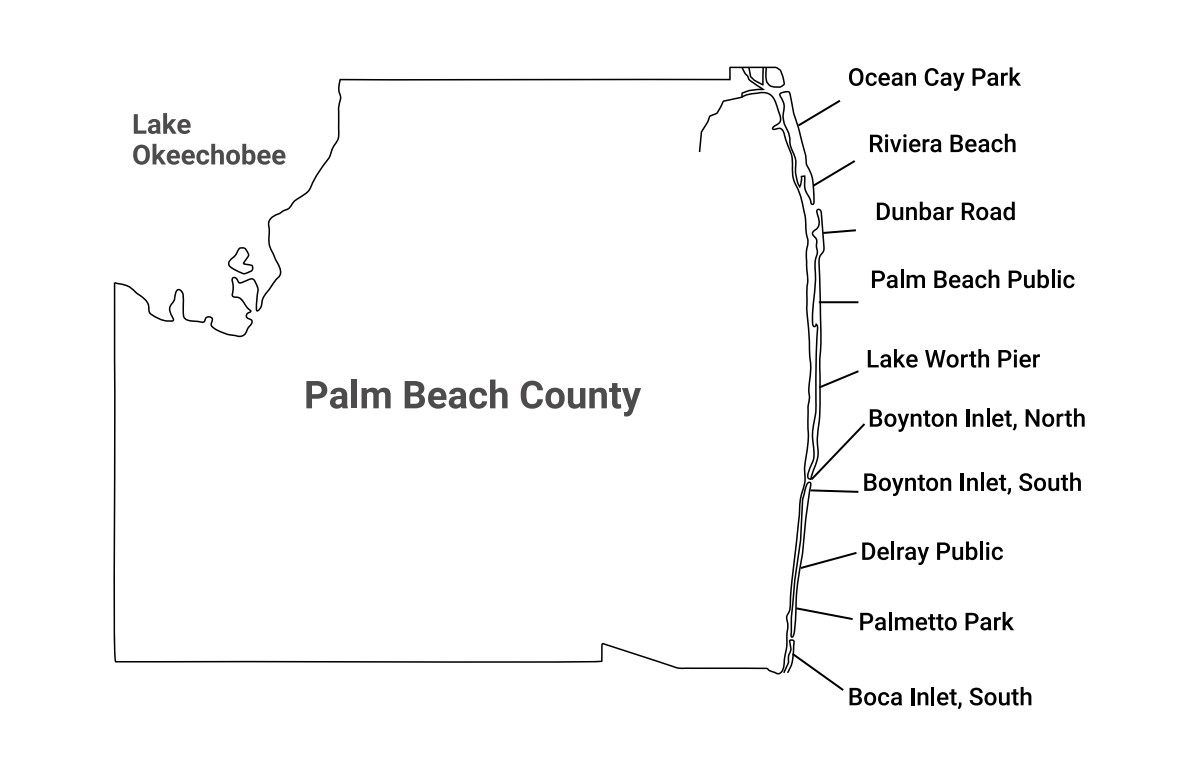

What did you discover during your beach survey?
Based on our data, it is clear that microplastics are heavily present in coastal beach sand within Palm Beach County. The beach with the highest count of microplastics is a popular destination for beachgoers and has multiple restaurants directly on the beach and on the pier, which may contribute to the high levels of microplastics found. Our data also showed that the most abundant microplastic pieces are between one and two millimeters in size, confirming that plastics are breaking down into smaller and smaller pieces, which are harder to remove and easier to ingest.
So what’s next? How can we address this issue?
There is an urgent need to reduce plastic waste in the ocean and environment, and we need to stop plastic pollution at the source — essentially make and use less of it. The data gathered in this survey will be shared with lawmakers in the hopes that it will support legislation aimed at reducing plastic production, promoting education, and bolstering Surfrider’s Ocean Friendly Programs, which seek to reduce plastic usage at local businesses.
A special shout-out to Taylor Gullikson and members of the San Luis Obispo Chapter's Microplastics Task Force. Taylor is the San Luis Obispo Chapter’s current secretary on the Executive Committee and former Microplastics Task Force lead. Taylor led the drafting and field testing of the initial sampling method, which was applied to this project.
And a huge thank you to Evan Orellana for leading this effort and to the Palm Beach Chapter of Surfrider for their incredible work to learn more about microplastic pollution on Florida’s beaches. To learn more about the 2024 Palm Beach Microplastic Survey, you can read their full report here.
 As Healthy Beaches Programs Manager, Jennifer oversees the national Beach Cleanup Program and other healthy beaches initiatives. She graduated from the University of California, Santa Barbara, with a Bachelor of Arts in Environmental Studies.