
-2.jpg)
Header image by Jason LeCras. Left to right: George Madaraz, computer expert and early advisor to Surfrider; Dave Moeller, board member and designer of the original Surfrider logo; Jericho Poppler, legendary surfer, key supporter in early years, and board member; Glenn Hening, co-founder and signer of Articles of Incorporation; Chris Blakely, founding director.
Editor's Note: Chris Blakely, who played an integral role during Surfrider's early years, passed away on December 13, 2025 at the age of 71. Below are a series of questions he answered on the eve of Surfrider's 40th anniversary in August 2024. From everyone at Surfrider, past and present, rest in peace Chris.
What is your current or former role with the Surfrider Foundation?
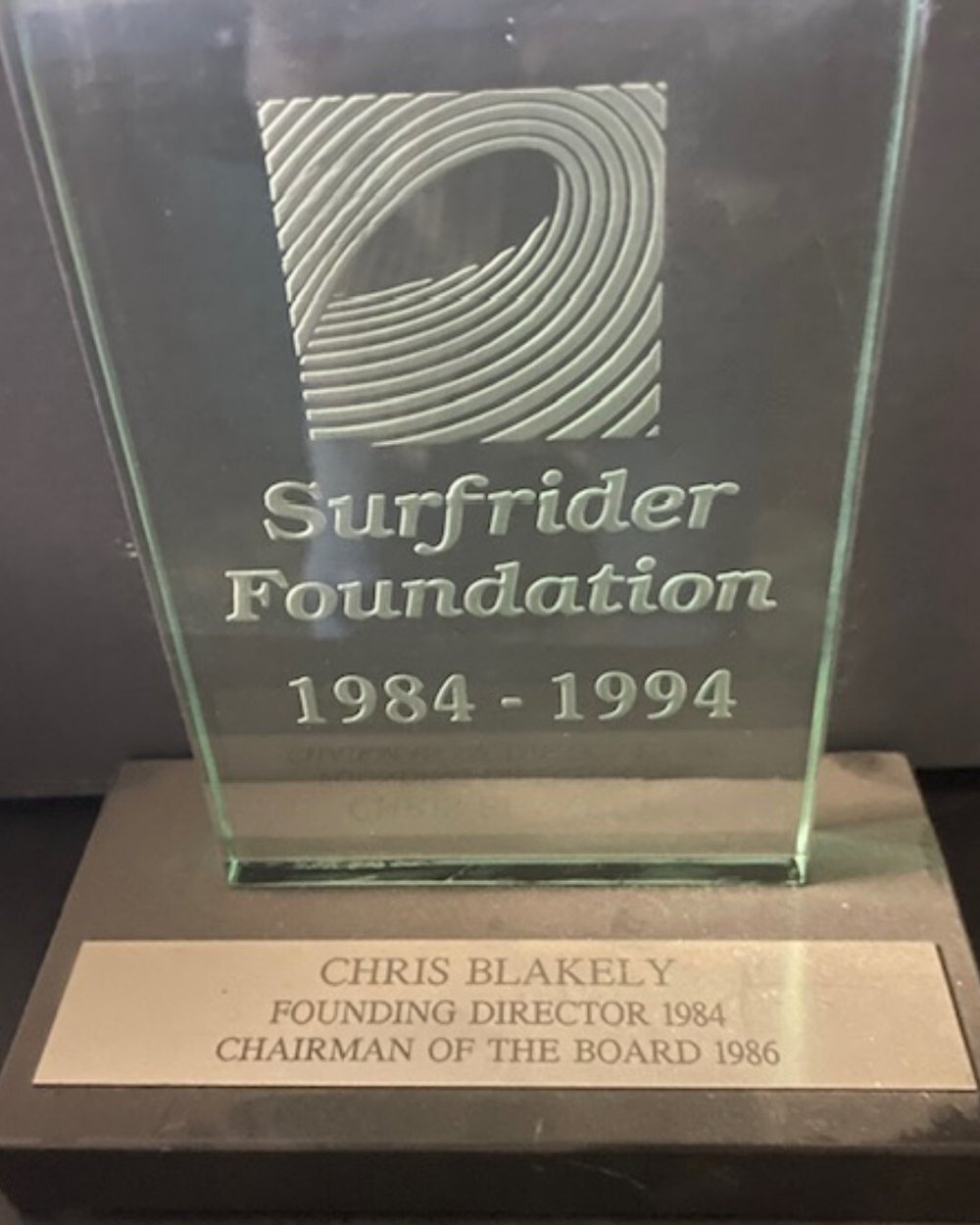
Founding Director, CFO 1984-1985; Chairman of the Board, 1986; Lifetime Member, 1987-present
Why and when did you get involved with the Surfrider Foundation?
I was an independent film producer when Surfrider’s co-founder, Glenn Hening, approached me with the idea of creating a filmic rebuttal to The Endless Summer, to be entitled Summer’s Over, or Whatever Happened to the Soul of Surfing? It was going to be a challenge to the commercialization of the sport, to the exploitation of surfing-as-fashion, and to the cliché of the surfer as a lame stoner, as portrayed by the character Jeff Spicoli in the movie Fast Times At Ridgemont High.
That project never materialized, but our many meetings and brainstorming sessions convinced us that we could bring surfers together to do good, and to become positive role models for young people. I was with Glenn on the boardwalk of Venice Beach when he paid an airbrush artist to paint a t-shirt with the image of a perfect wave breaking both right and left, adorned with the words “Surfrider Foundation.”
An imminent threat to Malibu’s famous Surfrider Beach by an Army Corps of Engineers excavation plan caused us to pivot, and to create a full-time environmental activism and advocacy organization. I helped Glenn craft our mission statement, and was the only Surfrider co-founder with him when he signed the founding documents in the law offices of The Public Justice Foundation at 185 Pier Avenue, Ocean Park, Santa Monica. We convinced trained environmentalist Tom Pratte to join us, along with legendary longboarder Lance Carson. Other founding members of the board of directors ultimately included Dan Young, Steve Merrill, and David Moeller (David was the one who designed Surfider’s logo). Of the lot of us, Glenn was the only one willing to be listed on the legal documents as the “Agent for Service of Process.”
What was the overall sentiment or atmosphere like at Surfrider during your time?
We were optimistic, energetic, dedicated, and yet underfunded. Our first bank deposit was $41.90: a $35 check from someone in Santa Cruz, and $6.90 in cash we received in the mail from an individual in Florida. As CFO, I taught Tom Pratte how to balance the foundation’s checkbook. He wondered why our statement balance was less than the running balance in our checkbook — I explained that he had neglected to account for the bank’s monthly service fee.
What has been the highlight of your Surfrider experience? Can you describe a particularly memorable moment or accomplishment?
Tom Pratte and Lance Carson gave impassioned speeches at a meeting of the California Coastal Commission in Malibu — a meeting that was attended by dozens of concerned surfers and local environmentalists. The Commission was there to hear arguments for and against the Army Corps of Engineers’ plan to drain Malibu Lagoon by carving a channel right through the surf zone’s rock cobble bottom — the very feature that helped to create the famous perfect point break at Surfrider Beach.
At the end of the speeches and presentations, the rumor (personally confirmed to me by Tom) is that Tom Pratte approached the Commissioners and asked what the next step would be. The commissioners said that they were going to vote. At that point, Tom whispered to the commissioners that if they approved the Army’s plan, the surfers in attendance were going to riot. Miraculously, the plan was rejected! On a side note: this preceded the incorporation of the City of Malibu — that occurred on March 28, 1991.
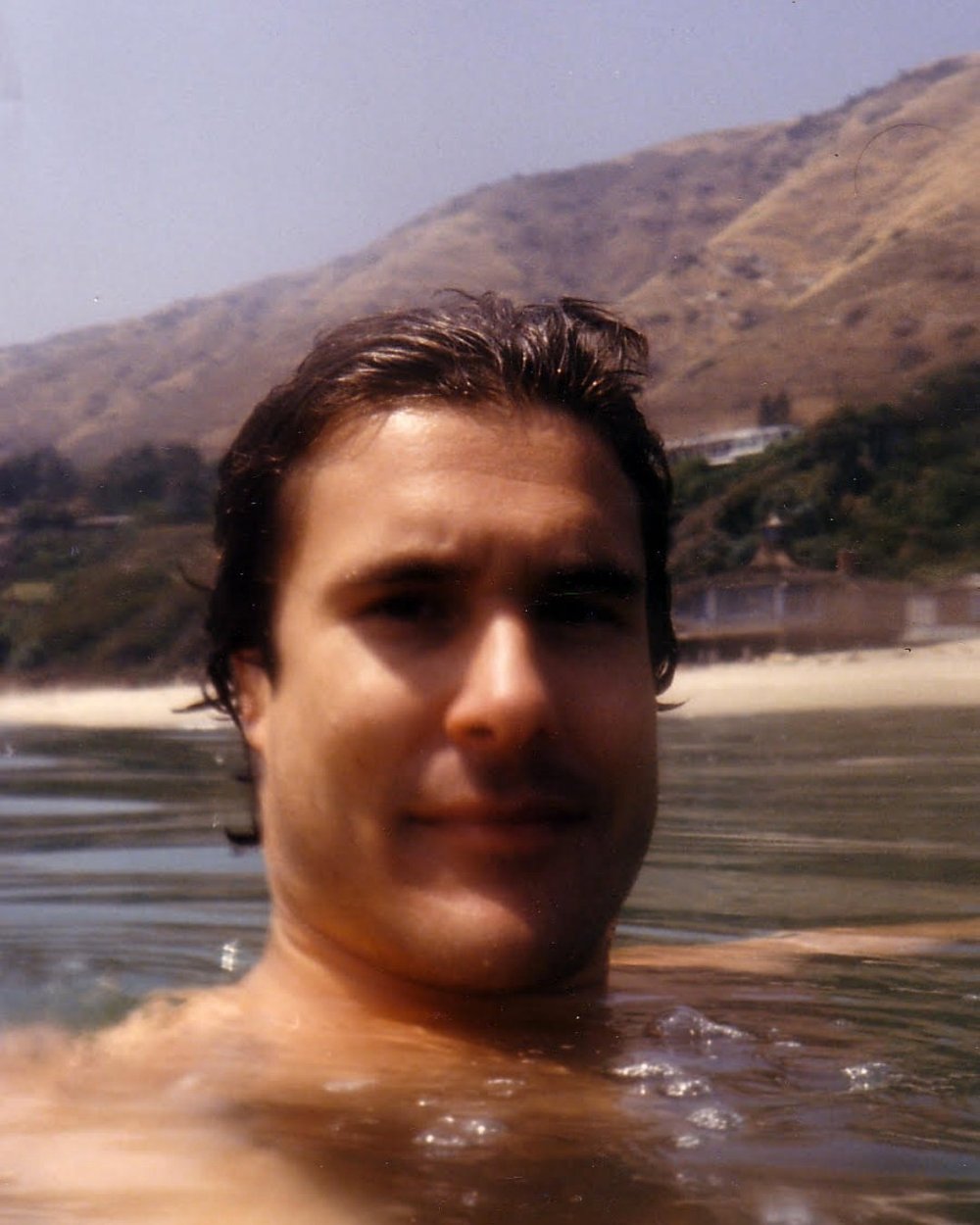 Bodysurfing in western Malibu, circa 1984 (self portrait with a Nikon Action Touch)
What do you see as Surfrider’s greatest accomplishment during your involvement?
Saving Malibu’s surf break ranks right up there as one of our greatest early accomplishments, and it put us on the map. Another significant landmark was the decision to fight the logging companies that were polluting Humboldt Bay.
The Santa Cruz members of the board who used to make regular surf safaris into remote areas of Baja California started the Baja Assistance Program. They saw that many of the villages that they visited were very poor, so they collected clothes, toys, and other useful items to give to the impoverished locals. It was a noble example of surfers giving back to the greater community.
Surfrider also won victories for surfers at the Santa Maria River mouth in Santa Barbara County, and at Imperial Beach in San Diego County, where we fought off another threat from the Army Corps of Engineers.
How do you think Surfrider’s mission and overall approach to protecting our ocean, waves, and beaches have evolved over the years?
Future Surfrider leaders picked up the torch, and carried it far and wide. But we should not forget the struggles we faced in the early years. We were financially strapped, and we survived thanks to the generosity of Grubby Clark of Clark Foam, and, most notably, by Yvonne Chouinard of Patagonia! Later, Eddie Vedder’s $50,000 donation was a lifesaver.
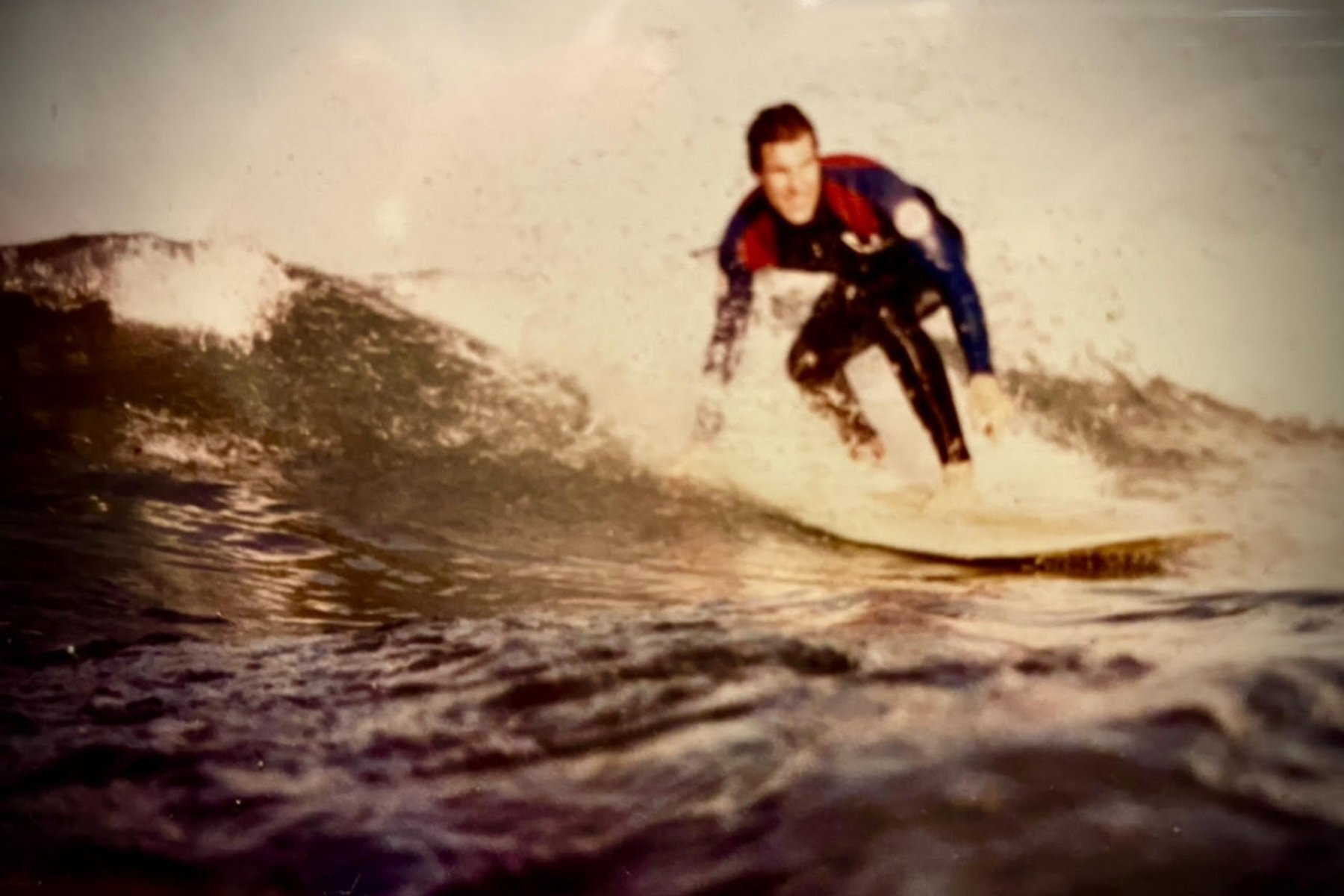 Surfing the shorebreak in Santa Monica, circa 1984
What is the biggest challenge facing our ocean today?
Rising ocean levels, coastal erosion, and increasing water temperatures are all big threats. We need to be vigilant to fight global warming, to promote coastal access, and to thwart overdevelopment, pollution, and the loss of wetlands.
What advice would you give to the next generation of ocean activists?
Stay informed and involved. Diminish our collective carbon footprint in order to turn the tide on global warming.
What are you most hopeful about for the future of the Surfrider Foundation?
I love to see the members of the next generation working together to help achieve our shared goals.
Anything else you’d like to share about your experience with Surfrider?
In 1986, I was an underpaid filmmaker, and a new father. The board voted to pay me for my services to the foundation. However, I never billed Surfrider, nor collected any money for my work. I was happy to donate my time and efforts, but I had to leave in order to pursue full-time film work to support my young family. It has been an honor to serve the Surfrider Foundation, and I am so proud that what we started has come so far!
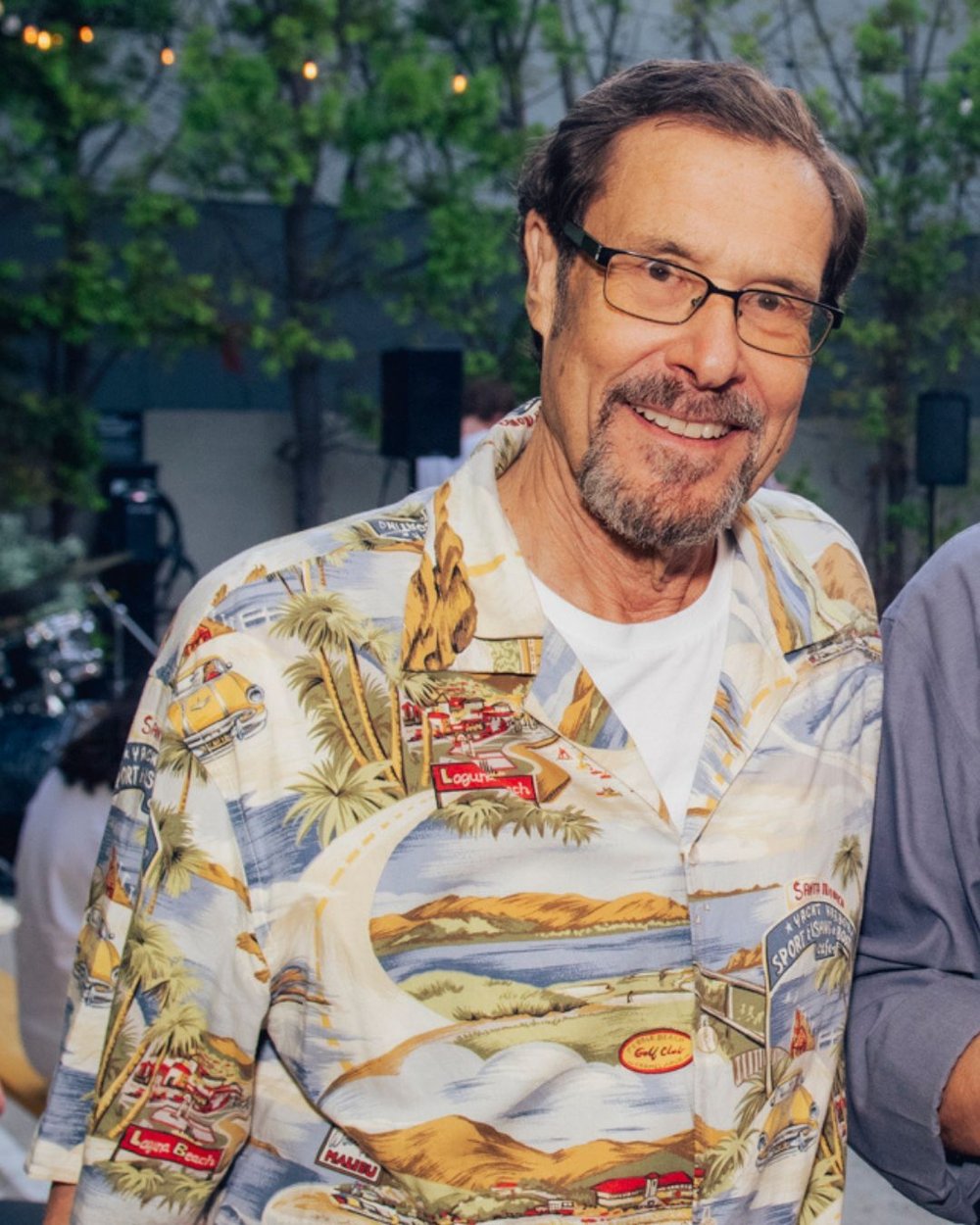 Chris at Surfrider's 40th anniversary celebration in Los Angeles. Photo by Jason LeCras