
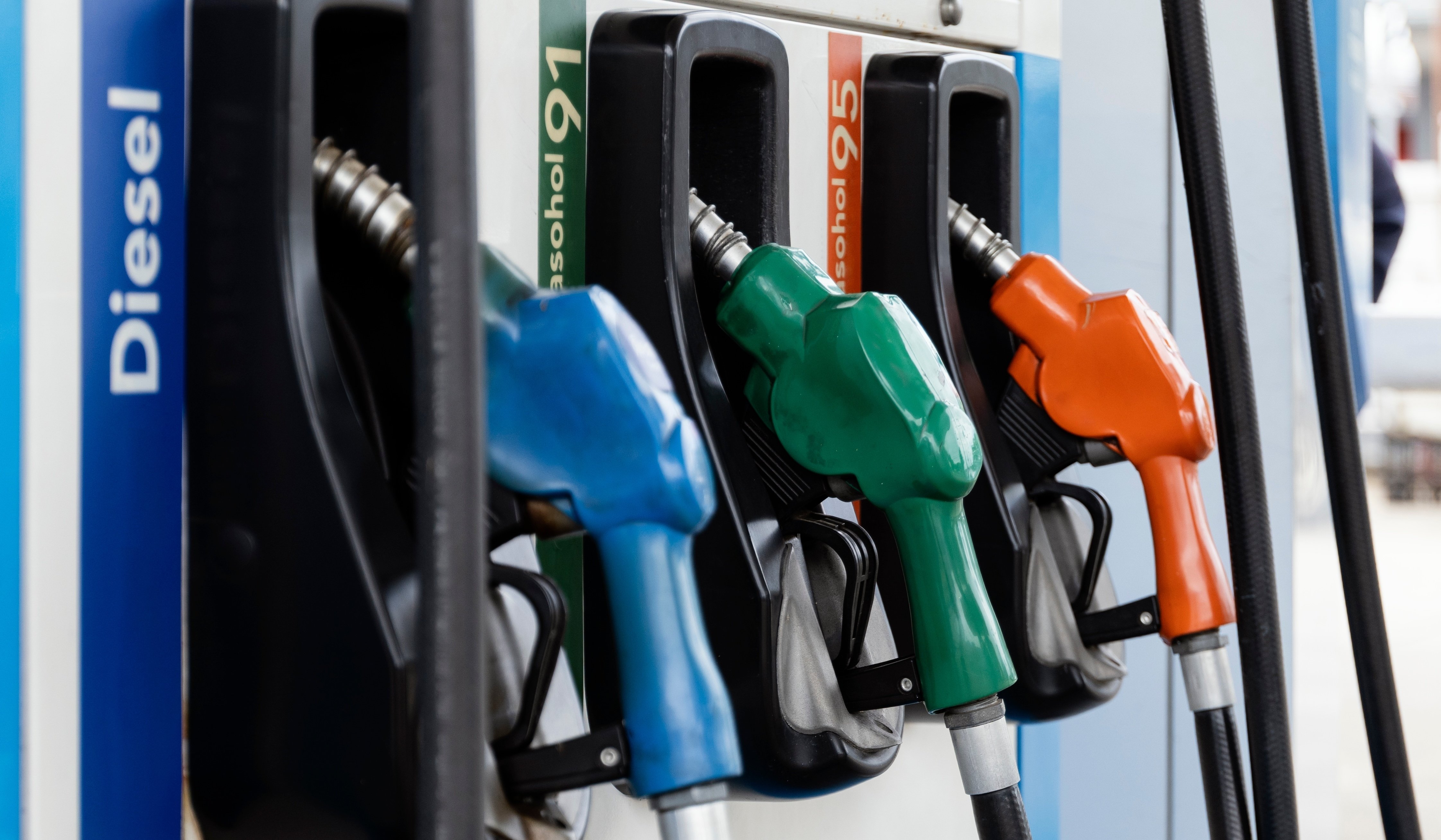
More offshore drilling won’t lower the price at the pump. Gas prices are set by global supply and demand, which fluctuate based on geopolitical factors, including wars and international conflict. The real solution to energy independence is renewable energy.
On February 28, the United States and Israel attacked Iran, setting off an international war that has only escalated in the weeks since. Aside from the horrific humanitarian damage inflicted, including numerous casualties to innocent civilians, the war has wreaked havoc on oil prices. With Middle East shipping routes disrupted, the global price of crude oil has climbed by 40% since the start of the war, while the price of gasoline in the U.S. has already risen by 23%.
With concern growing across the globe over rising energy prices, nations are scrambling to offset oil shortages resulting from Iran’s counterattacks and threats to shipping routes. On March 11, world leaders agreed to release 400 million barrels of oil from their strategic reserves, the largest-ever release of stockpiled oil by the members of the International Energy Agency. But the announcement of the release — enough to meet about four days’ worth of global demand — has had little impact in addressing increasing oil prices.
The Trump Admin Orders the Restart of an Old Offshore Drilling Project
In the United States, the Trump administration is now resorting to more desperate and superficial measures. On March 13, U.S. Energy Secretary Chris Wright issued a directive to force the restart of the disputed Sable Energy offshore oil project off the California coast. Separate from the administration’s plans to approve new oil and gas leasing off California, the federal action overrides state authority to reopen an aging pipeline that services a group of decades-old oil platforms off Santa Barbara.
Aside from the many other problems with restarting a decrepit pipeline that in 2015 spilled over 120,000 gallons of oil into Santa Barbara waters, the action is a dubious strategy to address prices at the pump. The oil rig platforms serviced by the pipeline are nearing the end of their lifespan, and oil production levels at the time of the 2015 spill were already a fraction of what they were during peak production in the 1990s. According to experts, restarting oil production will have limited to no impacts on California oil markets through 2045.
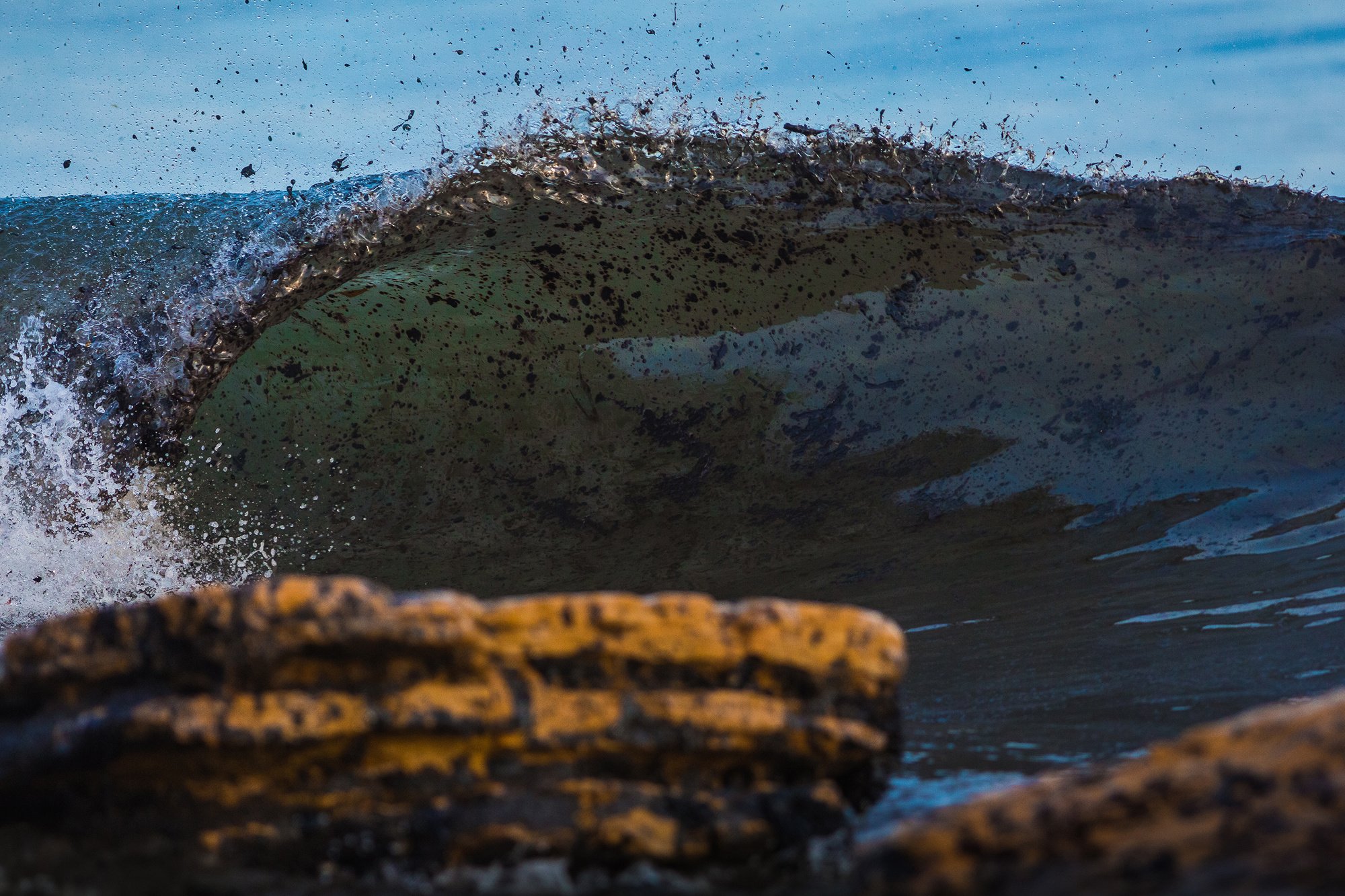
Santa Barbara Oil Spill in 2015. Photo credit: Joshua Shelly
Moreover, more offshore drilling in U.S. waters is not an effective strategy to address gas prices. Gas prices are set by global supply and demand, which fluctuate based on numerous geopolitical factors, including wars and international conflicts. The U.S. is already the world’s largest producer of oil and gas and has been a net exporter of oil since 2020. The rhetoric that we are too dependent on other countries for oil and therefore must drill more here in the U.S. is both untrue and outdated.
Renewable Energy is the Solution to Energy Independence
The true path to U.S. energy independence is through investments in renewable energy such as solar and wind. Clean energy is the quickest and most affordable way to add new power to the grid. Yet, instead of encouraging renewable energy development, the Trump administration has halted progress on numerous clean energy initiatives and projects, making our nation even more dependent on volatile oil and gas markets.
Real energy independence means relying less on fossil fuels. The price of energy generated by solar panels and wind farms in the United States is not dependent on foreign wars and international conflicts. Oil price shocks happen because we’re tethered to a variable and highly erratic global commodity. The long-term solution is to use less oil and power our grid with homegrown clean energy, so wars and cartels have less impact on our energy prices.