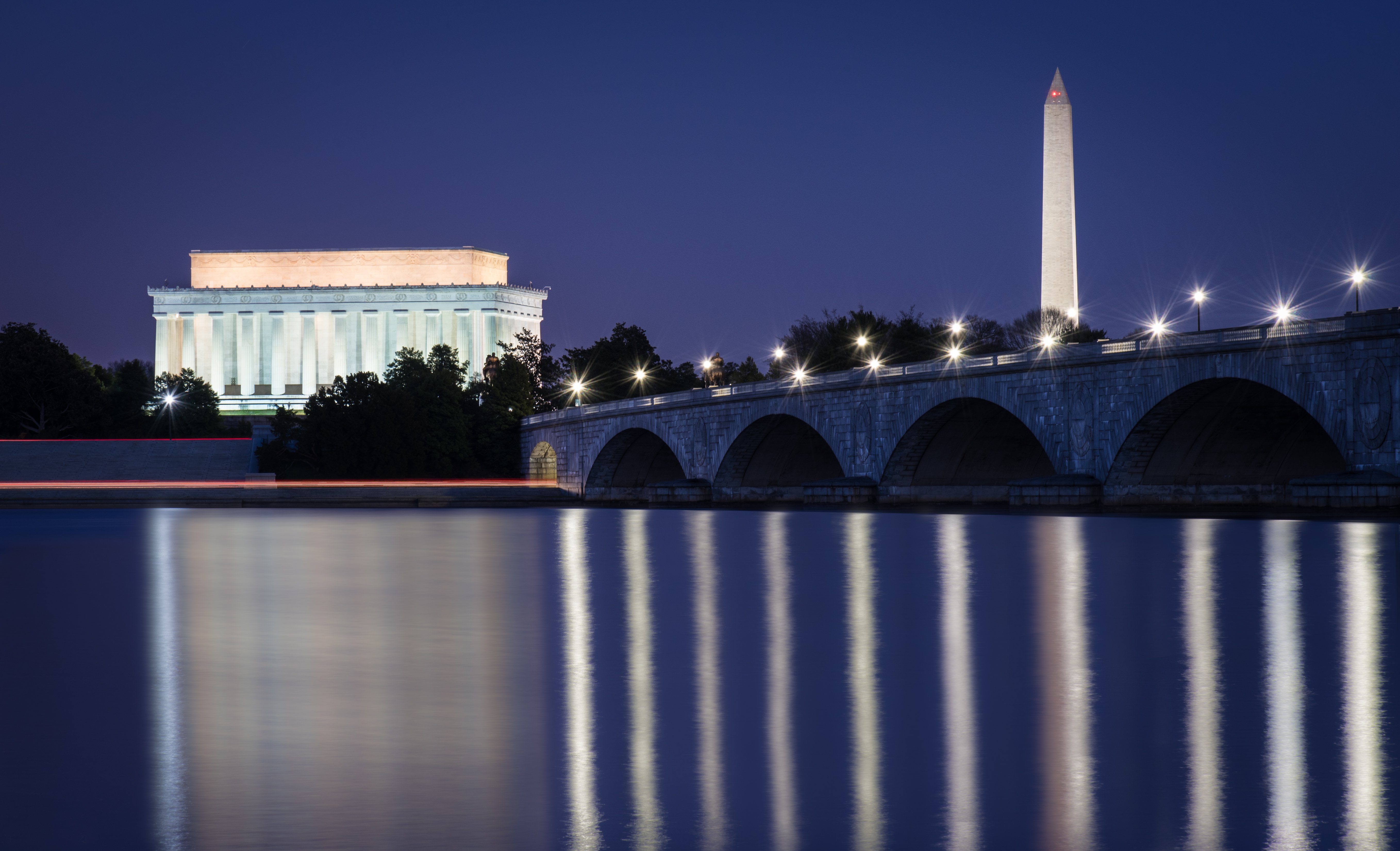
On January 19, 2026, the decades-old Potomac River main sewer line collapsed, releasing more than 200 million gallons of untreated sewage in one of the largest municipal spills in U.S. history. The Potomac, which flows through Washington, D.C. and into the Chesapeake Bay, provides drinking water to millions, supports important ecosystems, and fuels recreation and local economies. Untreated sewage carries dangerous bacteria and other pathogens that put people at risk of serious illness. In addition to the negative impacts to human health, nutrients released into ecosystems fuel harmful algal blooms, deplete oxygen, and stress aquatic life.
Independent testing by researchers from the University of Maryland School of Public Health, in partnership with the Potomac Riverkeeper Network, found Staphylococcus aureus, including antibiotic-resistant MRSA, in water samples collected near the spill site. The Potomac spill prompted warnings against swimming and other water recreation and led to temporary closures of shellfish harvesting areas, according to the Potomac Riverkeeper and Public Health Advisories from the Maryland Department of the Environment.
This incident highlights a nationwide problem: aging wastewater infrastructure in the U.S. releases more than 900 billion gallons of untreated sewage and stormwater into rivers, lakes, and coastal waters each year. Stronger storms and heavier rains from climate change make it even worse, and previously proposed federal wastewater infrastructure funding cuts will make it harder for communities to maintain and upgrade these systems. At a time like this, wastewater upgrades and water quality monitoring are more important than ever to protect public health and ensure our beaches and waterways are safe for everyone.
For decades, the Surfrider Foundation has fought for strong funding and proper implementation of the federal BEACH Act, which provides grants to coastal states for beach water quality monitoring and public notification. Surfrider has also advocated for increased funding for the Clean Water State Revolving Fund, an EPA program that provides states with funding to upgrade wastewater infrastructure.
Chronic underfunding of these programs, however, has left testing gaps, an estimated $600 billion backlog in necessary wastewater infrastructure repairs and updates, and our nation’s public health unprotected. Due to insufficient funding, state agencies are often forced to limit their beach water quality monitoring to just the summer months and/or to areas that are most visited by tourists. Less visited beaches that may be popular with the local community, and areas that provide off-season recreation opportunities, especially for surfers, remain untested.
To help close those testing gaps, Surfrider’s Blue Water Task Force mobilizes volunteers to test beaches and recreational waters not covered by state and local agencies programs, track pollution sources like stormwater outfalls and rivers, and collect data year-round.
We are also strongly advocating for the proposed BEACH Act of 2025, a reauthorization bill that would strengthen this federal grant program, expand flexibility to test upstream waters that flow into coastal recreation areas, and support improved monitoring tools. The bill has been introduced in both the Senate and House of Representatives, and recently advanced through Committee in the House as part of the American Water Stewardship Act. Our hope is that the BEACH Act reauthorization will pass into law this session.
While the Potomac sewage spill situation progresses, you can keep up to date by visiting our friends at Potomac Riverkeeper. Surfrider DC and Surfrider Annapolis will also be sharing updates and possible areas of engagement. There is an upcoming public meetings for local residents in the Washington DC area at Walt Whitman High School at 7 p.m. on Thursday, February 26. Additional details here.
The Potomac River spill is a reminder that protecting our waterways can’t wait. Aging infrastructure, climate change, and limited monitoring put our communities, rivers, oceans, and beaches at risk. By supporting federal funding, expanding water quality monitoring, and taking local action through programs like the Blue Water Task Force, we can protect our rivers, waves, and beaches now and for future generations.

 As Blue Water Task Force Manager, Jaime is passionate about protecting the water. With a Master’s degree in Biological Sciences, she has gained extensive experience addressing critical water quality issues through her previous roles with the National Park Service and various other environmental organizations.