
Surfrider Foundation's Florida network is celebrating a major victory for coastal resilience as Governor DeSantis signed SB302 Coastal Resiliency into state law on March 19! The legislation, which passed unanimously, strengthens Florida's ability to harness the power of nature to protect our coasts, our communities, and our invaluable marine environments.
Florida's coastlines face mounting threats from rising sea levels, increasingly intense hurricanes, and recurring flood events. The need for effective and ecologically-sound resilience solutions has never been greater:
-
Healthy dunes and beaches serve as the first line of defense against flooding and sea level rise.
-
A single acre of wetlands can store up to one million gallons of floodwater.
-
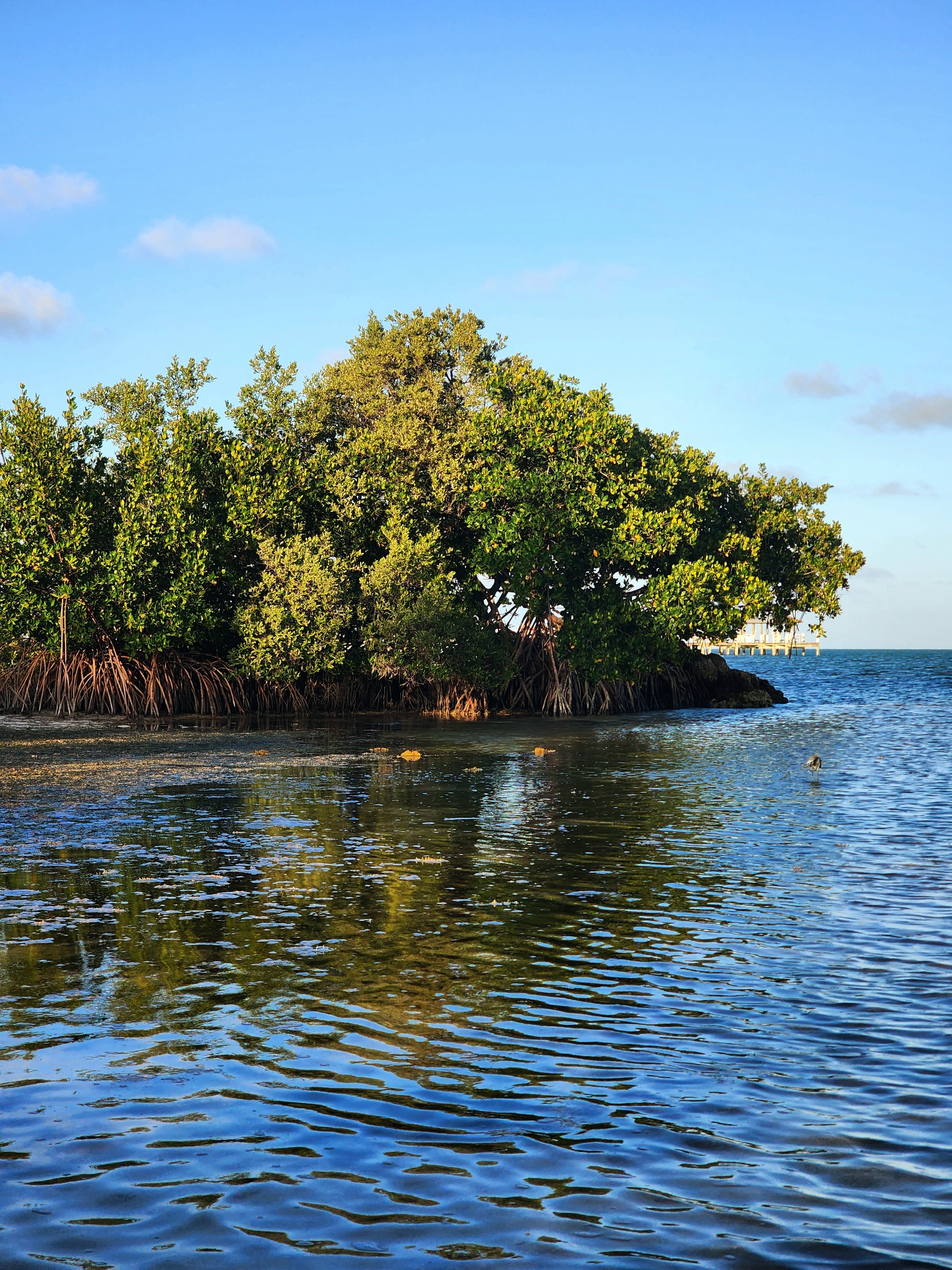
Mangroves absorb wave energy and prevent millions of dollars in property damage every year.
-
Living shorelines reduce erosion, adapt dynamically to sea level rise, and offer cost-effective protection for coastal communities.
These are not experimental ideas; they are proven tools that Florida must scale and replicate across the state.
Yet for too long, local governments, communities, and stakeholders looking to implement nature-based projects have faced convoluted regulatory pathways and insufficient state-level guidance. SB302 Coastal Resiliency addresses these barriers by providing clearer frameworks for dune and wetland restoration, mangrove plantings and protection, and native vegetation and seagrass projects. The new law requires the Florida Department of Environmental Protection to develop rules, permits, and regulatory guidance supporting the implementation of nature-based solutions. It also promotes local government awareness and public education, ensuring that communities across Florida have the knowledge and tools to act. With dedicated sponsorship by Senator Ileana Garcia and Representative Jim Mooney, this legislation has been a collaborative, multi-year effort.
The law includes provisions supporting “hybrid green-gray” resilience solutions, which incorporate engineered elements alongside nature-based approaches. Surfrider will monitor these provisions carefully to ensure that any hybrid methods do not open the door to extensive hard armoring of our coastlines. Notably, the law includes stronger restrictions on dredging activity in Terra Ceia Aquatic Preserve in Manatee County, near Tampa Bay. The preserve is in close proximity to a proposed mega-cruise port development that has drawn widespread public opposition and serious concerns about harmful impacts to the Preserve, water quality, and the surrounding marine environment. Surfrider will continue to monitor the impacts of the new law and the ongoing consideration of the port project, standing alongside the community in defense of this irreplaceable coastal ecosystem.
Surfrider has long advocated for scaling and replicating nature-based solutions across Florida. Our chapters and clubs lead on-the-ground nature-based resilience projects, including dune restorations and coastal buffer gardens. They also build community awareness and work with local leaders on dynamic coastal resilience policies. For years, Surfrider advocates have championed nature-based resilience legislation at Florida Healthy Beaches Day, Surfrider's annual advocacy event meeting with decision-makers in Tallahassee. Healthy and thriving mangroves, dunes, native vegetation, wetlands, and living shorelines are among Florida's most valuable and effective resilience tools. Improved state rules and guidance will facilitate more informed, widespread action from the Panhandle to the Keys.
With nature-based coastal resiliency now state law, Florida has taken a significant step forward in building resilient, nature-powered coastlines. Surfrider celebrates this victory and looks forward to the work ahead to ensure our communities, beaches, and coastal ecosystems continue to thrive for generations to come!


 As Florida Policy Manager, Katie works at the intersections of policy, law, and public engagement. She attended law school at Florida State University College of Law and completed the Environmental Law program. She received her undergraduate degree in anthropology from Princeton University.