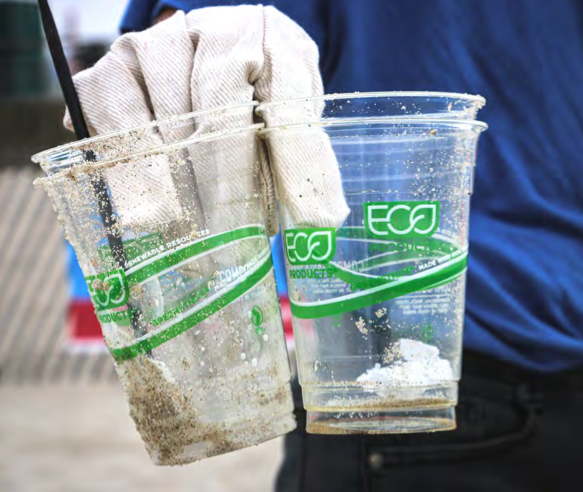
Bioplastics are not the answer to the problem of plastic pollution.
Quick Facts
Bioplastic materials are not a preferred alternative to conventional plastics. Most bioplastic materials do not break down in the marine environment, shift the burden to other resources and perpetuate a single-use, “business as usual” mentality.
Bioplastics can include toxic additives to increase their performance.
Bioplastics, like PLA, are only compostable in industrial facilities, something that most communities don’t have.
Bioplastics like PLA are sold as a sustainable solution to conventional plastic, but they can take hundreds of years to decompose.
Surfrider advocates for stopping the production of unnecessary single-use plastics and switching to reusable or truly recyclable items – the most effective ways to prevent the harm caused by plastic litter, microplastics, and toxic, fossil-fuel intensive production facilities.
Surfrider Resources
Surfrider’s Bioplastics Toolkit - This toolkit serves as a resource for those looking for information and guidance on bioplastics. It provides a background on why bioplastics are problematic, what the federal and state governments are doing, policy guidance, and recommendations on how to avoid bioplastics.
Mythbusting Bioplastics One-Pager - Bioplastics can be a very complicated topic. Share this one-pager with current and potential Ocean Friendly Restaurants to help clean up any confusion and explain why Surfrider doesn’t support bioplastics as a solution to traditional single-use plastics.
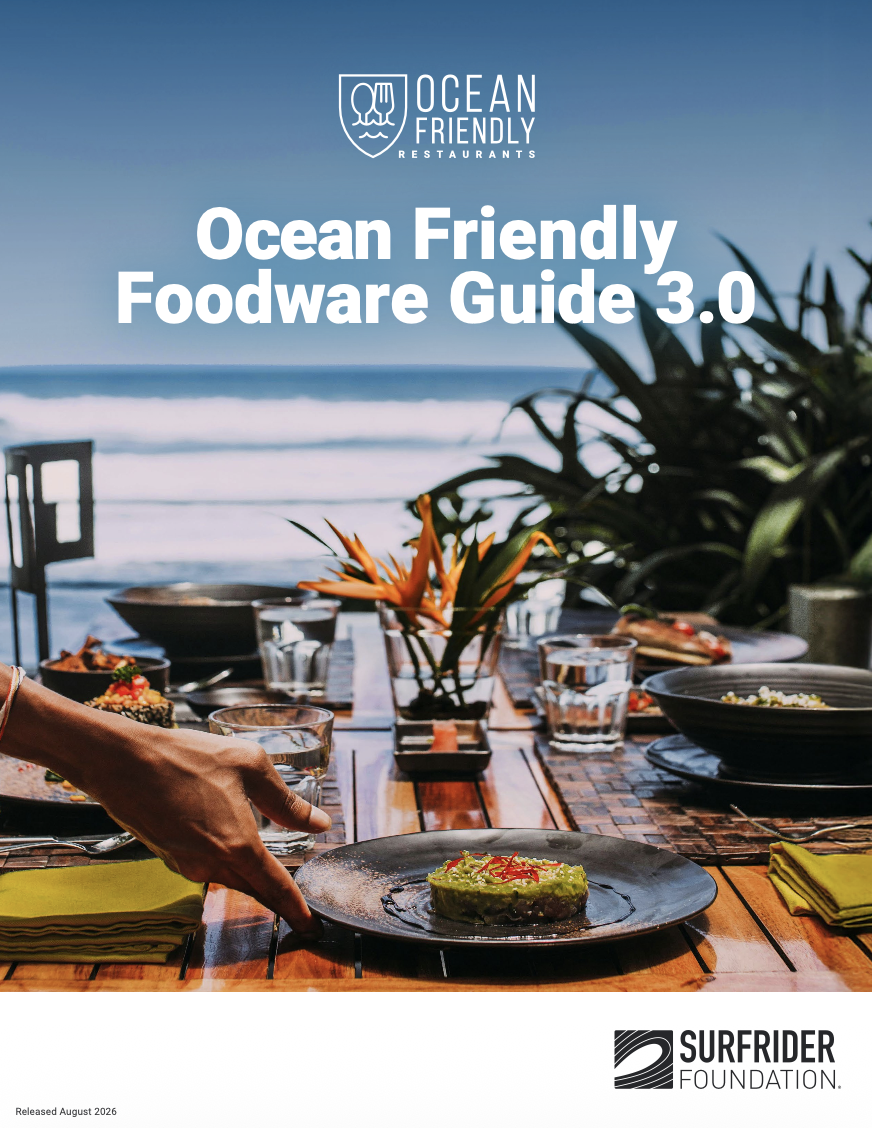
Ocean Friendly Foodware Guide 3.0- Use this guide to familiarize yourself with common labels and buzzwords, find plastic-free product alternatives, and avoid greenwashing with a decision matrix to review products. Download the one-pager for a simplified version of the foodware categories in this resource.
Beachapedia Bioplastic Glossary -There is a lot of confusion as to what is considered a bioplastic. The glossary gives definitions and standards for the common words used to describe single-use disposable items.
Flying Fish Co. Case Study- Since this Ocean Friendly Restaurant in Portland, OR switched from bioplastic to reusable cups for on-site dining, they have saved about $10,000 a year.
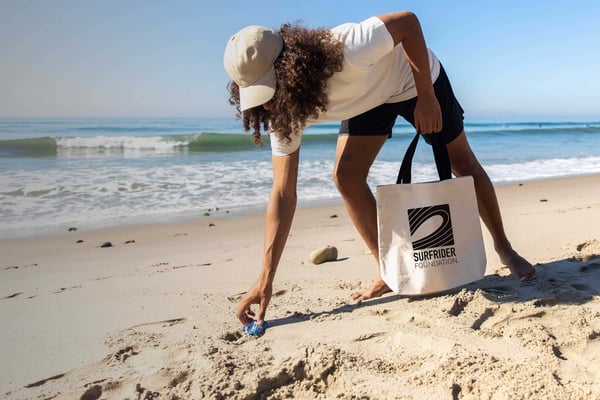
2020 Beach Cleanup Report.Surfrider’s 2020 Beach Cleanup Report explores the complex topic of bioplastics and how bio-based materials behave when they’re no longer in use.
Partner Resources
Here are additional resources on bioplastics from trusted partner organizations:
Bioplastic issues and concerns.Further reading from our movement partners at Break Free From Plastic (BFFP) and the Global Alliance for Incinerator Alternatives (GAIA).
2023 Study Confirms 'Biodegradable' Plastics and Fabrics Actually Not. Buying clothing, rugs and other fabric products marketed as "sustainable," "biodegradable" or "recycled" seems, on the surface, to be a better choice for the environment. But under the surface – specifically, in the ocean – those textiles are proving that plastic always remains a problem.A recent study from UC San Diego’s Scripps Institution of Oceanography has determined that only natural fibers degrade in the marine environment, while plastic fabrics remain intact one year later.