
-3.jpg)
What is your current role with the Surfrider Foundation?
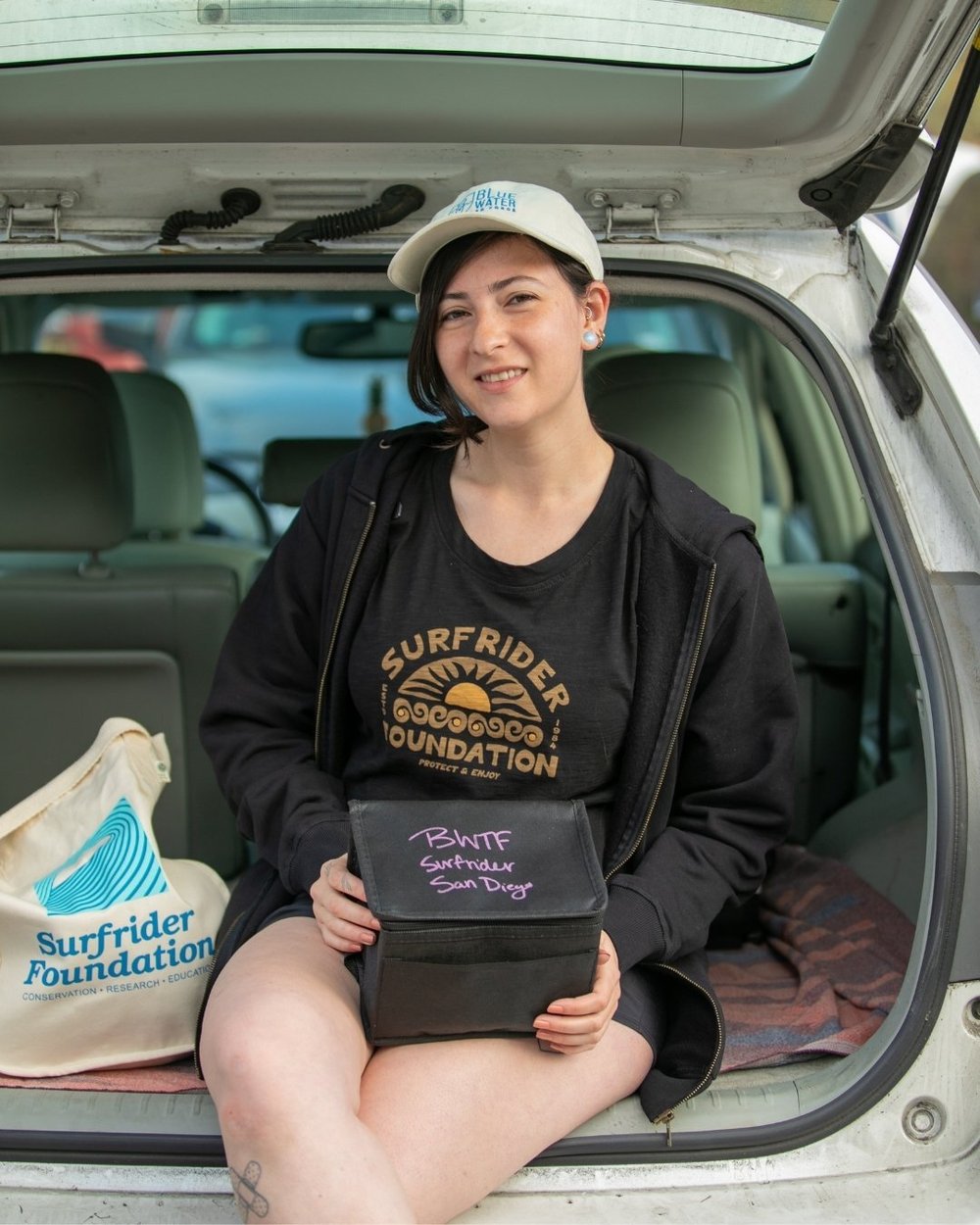
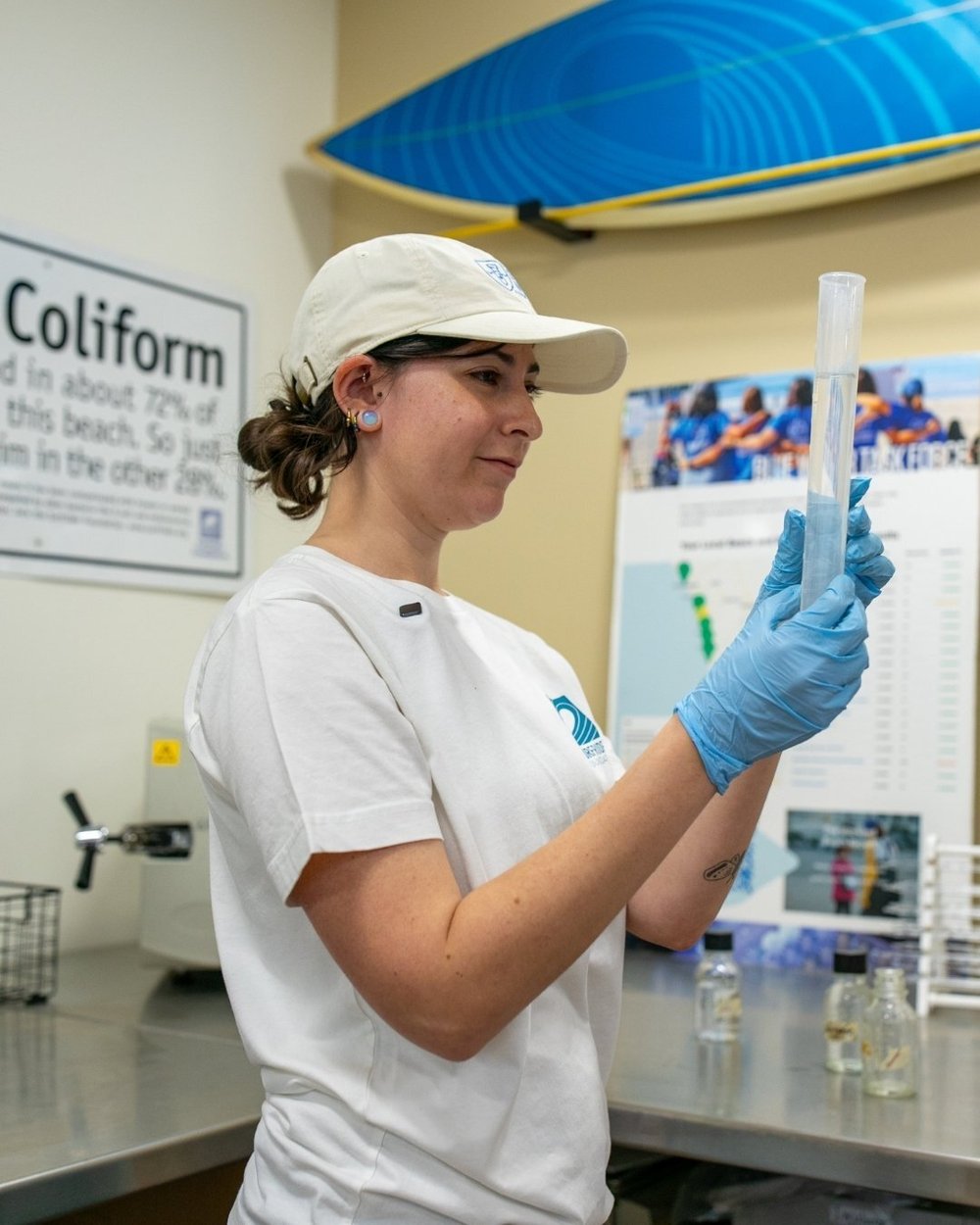
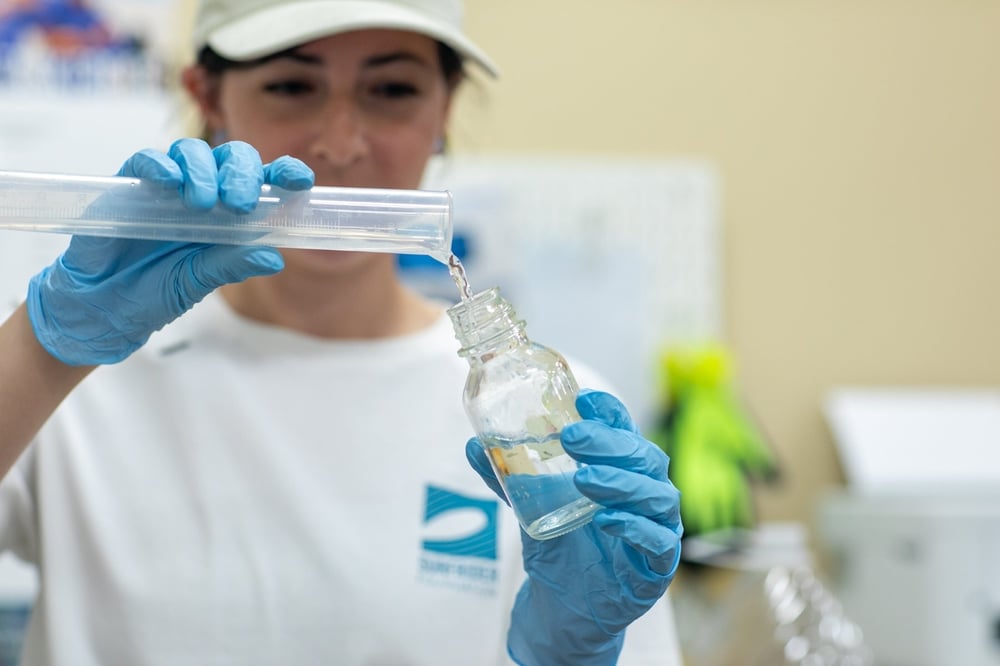
I’m the program lead for the San Diego Chapter’s Blue Water Task Force. This program tests beaches for fecal pollution on a weekly basis, educates the public on water quality issues, and supports clean water initiatives.
When and why did you choose to get involved?
I have been passionate about promoting clean waterways and beaches for a long time. I grew up in the Washington DC metro area, where the Potomac and Anacostia Rivers have suffered from pollution for decades (and it was especially heartbreaking to hear about the recent sewage spill in the Potomac River).
I was involved in a water quality monitoring program for the Anacostia rivershed before relocating to San Diego. When I moved here, I sought a way to do something similar in my new home city. I soon discovered Surfrider’s Blue Water Task Force and got involved in 2022. It’s been wonderful working with a group of people who are so dedicated to promoting healthy beaches. It made me feel right at home to have a community that shares my passions.
What are some local environmental issues that you have witnessed?
One of the most notable environmental issues in San Diego County is the Tijuana River sewage crisis. For years, untreated sewage and industrial waste have been polluting the river as well as the adjacent wetlands and beaches.
This is not just an environmental crisis but a public health crisis as the surrounding communities have faced significant health issues from this pollution. Despite the severity of this issue, many people in San Diego are unaware that this is going on. I’d like to acknowledge all the incredible work that Surfrider’s Clean Border Water Now program does to keep people informed and advocate for solutions.
What Surfrider projects have you been involved with? How have these projects impacted your community?
Beyond weekly water quality testing, I’ve helped to bring the science of the Blue Water Task Force into local classrooms. Our program talks about sources of fecal pollution, how we test for pollution, and how the community can advocate for clean water initiatives. We also supply materials so that the students can test some beach samples for themselves. It's exciting to teach kids about water quality issues in a fun and hands-on way. Moments like these help build the next generation of ocean advocates!
In the past few years, I have also worked with interns and students from a variety of local universities to support independent research projects exploring water quality issues in San Diego. I think it’s important that people who are passionate about this topic have the opportunity and resources to pursue their academic interests.
Do you have any personal experiences where the social justice and environmental movements have intersected?
The Tijuana River sewage crisis is very much a social justice issue. The communities most affected by this pollution are low-income and minority communities. This untreated sewage and industrial waste make the beaches unsafe for swimming, the air unsafe to breathe, and the local economy suffers as well. To help monitor the pollution from the Tijuana River, San Diego's Blue Water Task Force and the Clean Border Water Now team opened a new lab with the YMCA’s Camp Surf last year. This new lab makes it more accessible for the community to get involved and stay informed.
What can Surfrider do to foster an inclusive and welcoming environment?
I think it’s important to reinforce the idea that you don’t have to be a certain kind of person to get involved. A lot of people think they need to be a surfer or an experienced environmental activist to join the community. I know with Blue Water Task Force, people are surprised to learn they don’t need any prior experience or education to be a part of the program. In reality, anyone who shares our love for the oceans has a place in our community.
What is the most important thing you tell others about Surfrider?
I always talk about the incredible people I have met while volunteering with Surfrider and what I have learned from them. I feel like I have learned a lot about local policies and environmental issues because I get to spend so much time with people who are passionate about these areas. Being a part of Surfrider is such a great way to connect with people who can help you grow.
What has been the highlight of your Surfrider experience?
I love the end of the year events that our chapter holds. During these celebrations we highlight all the incredible work our chapter has done. It’s not always easy to see progress when you’re in the thick of it, but looking back at what we’ve accomplished together is so inspiring.
Thanks so much Rachel! Is there anything else you would like to add?
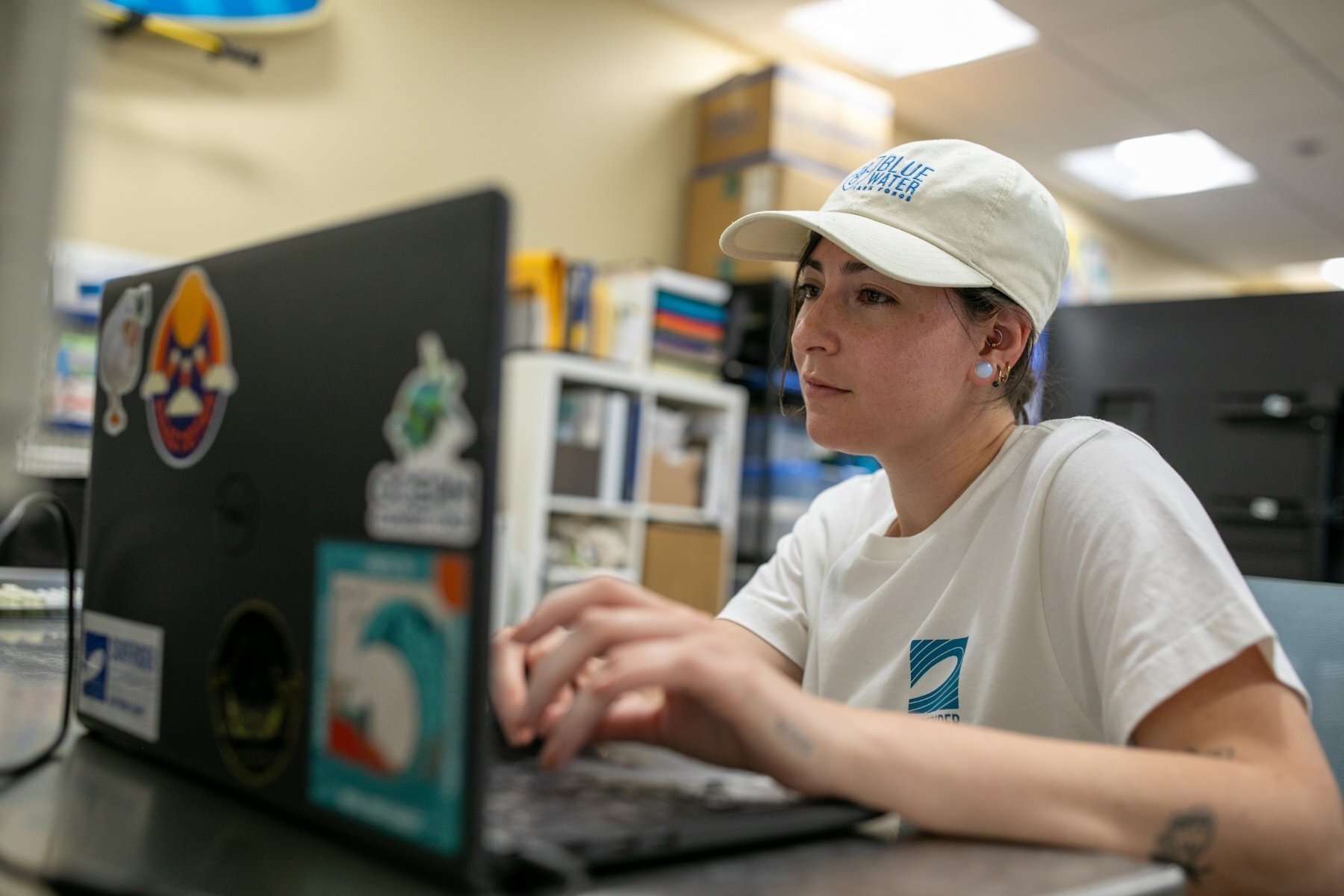
For anyone that hasn’t checked out the Blue Water Task Force “Explore” page, I highly recommend it. It’s really interesting to explore all the beaches across the coasts and look at all the data that’s publicly available.