While the recent action by Congress is alarming, Surfrider will continue to fight to protect our nation’s coasts and ocean. Surfrider has a long and proud history of defending U.S. coasts, including stopping the first Trump administration’s offshore drilling plans. We are ready for the battle! Will you join us?
To learn more about how you can protect our coasts, please visit Surfrider’s #DrillingisKilling campaign page.
On July 3, Congress officially passed HR 1, the budget reconciliation bill more commonly known as the “Big Beautiful Bill.” The bill was quickly signed into law by the President and has been making headlines for a variety of reasons, including the Congressional Budget Office finding that it would add $3.3 trillion to the U.S. deficit. Yet, there’s another part of the story that is not being told. Namely, the most high-profile achievement of the 119th Congress is a full-blown disaster for our ocean and coasts.
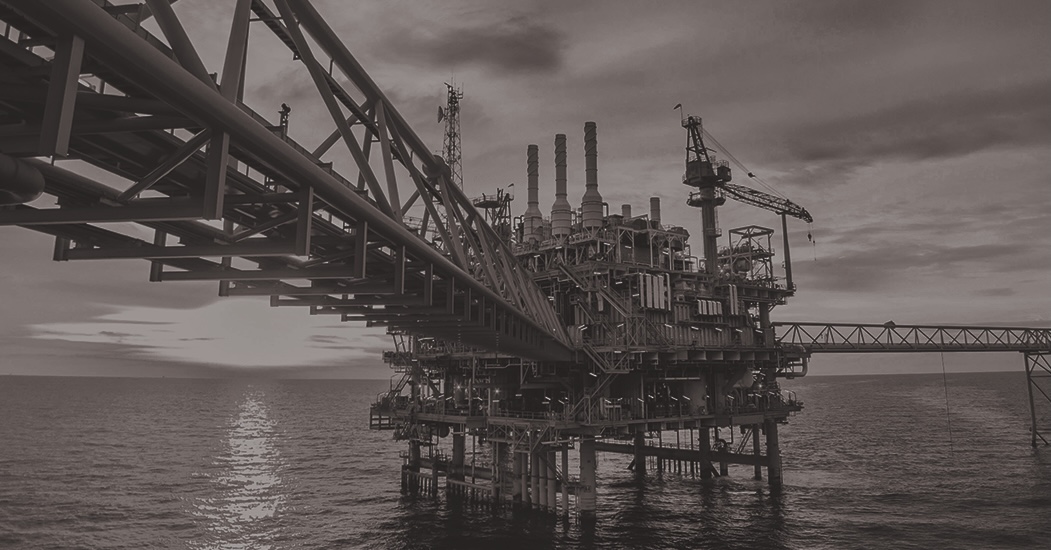
To help fund the huge price tag of HR 1, lawmakers effectively sold the Gulf of Mexico to the oil and gas industry. The bill mandates the annual sale of over 80 million acres of Gulf waters for the next 15 years for new offshore drilling. This projects to over a billion acres — an area larger than the Gulf itself — which even proponents of the bill can’t explain. The bill also requires new offshore drilling in Alaska’s Cook Inlet, a spectacular ecosystem home to bears, moose, bald eagles, orcas, and humpback whales. Finally, the bill includes other sweetheart deals for oil and gas companies, including reduced royalty rates to drill in public waters.
While the recent action by Congress is alarming, Surfrider will continue to fight to protect our nation’s coasts and ocean. Later this year, the Trump administration will release its 5-year offshore drilling plan proposal, which is expected to target the East Coast, West Coast, Gulf of Mexico, and Arctic Ocean for new oil drilling. This will launch a 60-day comment period and public hearings across the country. Surfrider has a long and proud history of defending U.S. coasts, including stopping the first Trump administration’s offshore drilling plans. We are ready for the battle!
More offshore drilling off U.S. coasts means more oil spills, more pollution, and more extreme weather disasters for the communities already battered by the impacts of climate change. This is especially true for coastal communities in Louisiana, Texas, and Mississippi, which have borne the brunt of fossil fuel development. The Gulf of Mexico is already saturated with 1,862 oil platforms, which cause an endless series of spills and accidents. Most infamously, the 2010 BP Deepwater Horizon oil spill disaster released over 200 million gallons of oil and marred 1,100 miles of coastline across four states.
Offshore drilling also causes enormous harm on land, with effects that disproportionately impact lower-income and communities of color. Oil refineries pollute frontline communities with carbon monoxide, sulfur dioxide, and toxic particulates that damage public health. Related petrochemical facilities in Louisiana's Mississippi River Basin, an area notoriously referred to as “Cancer Alley,” release a cocktail of toxic pollution in local communities through the production of plastics. Meanwhile, the oil industry has contributed to the extensive loss of coastal wetlands, leaving Gulf communities more vulnerable to flooding and extreme weather events.
Ironically, HR 1 also guts funding for the National Oceanic and Atmospheric Administration (NOAA), which helps protect communities and coastlines from climate change impacts. The bill’s budget cuts common-sense NOAA programs in the Inflation Reduction Act that have already provided tangible benefits to all Americans. Specifically, HR 1 cuts funding for weather forecasting and modeling, which is crucial for accurately predicting extreme weather and natural disasters, and disseminating critical public safety information. The bill also rescinds funding for NOAA programs that protect and restore key coastal habitats that serve as natural buffers and defenses against the impacts of extreme weather events. In short, this bill threatens the future of America’s iconic coastlines.
In the absence of federal leadership and funding, Surfrider’s national network is also working to make our coastlines more resilient through our Climate Action Program and putting communities in the driver’s seat to build local defenses against climate change impacts. Whether restoring vulnerable stretches of our beaches or advocating to protect our coasts in statehouses across the country, Surfrider is fighting for the future of our beaches from town halls to the White House.
To learn more, please visit Surfrider’s #DrillingisKilling campaign page

 As Ocean Protection Senior Manager, Pete leads the organization's national campaigns on offshore drilling, marine protected areas, renewable energy development, and other ocean-related issues. He holds a B.A. in Environmental Policy from Duke University and a master’s degree from the University of Washington’s School of Marine Affairs.