
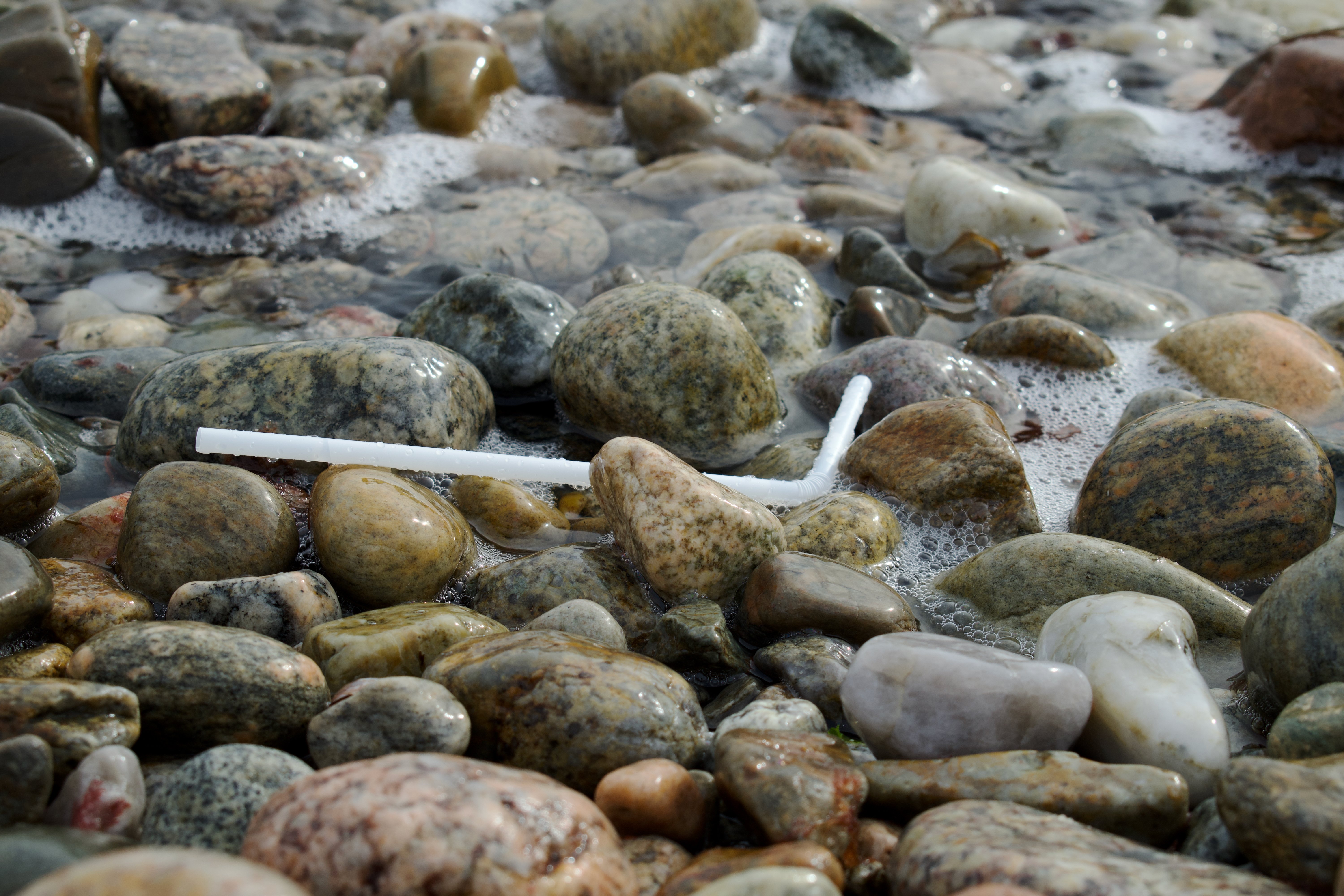
Plastic straws have become a symbol of the global plastic pollution movement. Sparked by the heart-wrenching 2015 video of a sea turtle with a plastic straw in its nose, this moment increased awareness about the harms of single-use plastic on the environment. Since then, Surfrider volunteers have picked up over 121,000 straws from beaches, and hundreds of local governments have passed plastic straw bans. The increased awareness of straw pollution and the ensuing policy actions have resulted in an explosion of good, bad, and sometimes in-between alternative straw products entering the market.
We sat down with Dr. Bryan James, an Assistant Professor in the Department of Chemical Engineering at Northeastern University to discuss his research that evaluates the environmental impacts of different drinking straw materials.
Tell us a little bit about yourself.

I am an assistant professor in the Department of Chemical Engineering at Northeastern University, where I lead the EcoBioMaterials Design Lab. Our team strives to design functional, sustainable, and benign materials, particularly plastics, by leveraging our interdisciplinary expertise in materials science, environmental science, and biomedicine. A focus of our work is communicating our findings in ways that can inform decision-making.
Why did you decide to start studying plastic impacts on human health and the environment?
After completing my PhD in materials science and engineering, during which I studied tissue engineering and biomedical materials, I was struck by concerns about the human health impacts of plastics. In my training, I learned about how we use materials, many of which are plastics, as implants and to deliver drugs. I figured a biomedical materials perspective could shed some light on the plastics problem, particularly as it related to microplastics. So, I went to the Woods Hole Oceanographic Institution as a Postdoctoral Scholar to do just that, investigating the fate, persistence, and toxicity of plastics in the ocean, ultimately, to inform the design of solutions to the wicked problem of plastic pollution.
Tell us about your paper, Strategies for Designing Circular, Sustainable, and Nonpersistent Consumer Plastic Products: A Case Study of Drinking Straws.
The motivation for my paper stems from the simple yet difficult question of, if you are going to use them, which is the best single-use drinking straw for people and the planet. This has been a question that has bothered me since my graduate training at the University of Florida in Gainesville, FL, during which the city enacted a drinking straw ban. At the time, it felt like every restaurant was trying a different alternative with little rhyme or reason to their choice of product. This still seems to be the case in most places. As a materials engineer, we learn systematic methods for selecting the best material for a given application. These methods are what I applied in the paper to the wide variety of drinking straws available today.
What are the differences between various straw products on the market today, and how do they differ in environmental impact?
Single-use drinking straws are made of many different materials, ranging from conventional polypropylene (PP) with various fillers to alternatives made of cellulose acetate, and bioplastics such as polyhydroxyalkanoates (PHAs), polylactic acid (PLA) and its blends, and paper. Just like the materials vary, so do their environmental impacts. When viewed holistically, some of these impacts can include the amount of material needed to make the straw, its associated greenhouse gas emissions, the water used to make the material, and how long the straw may last in the ocean, if littered.
Were there findings from your research that surprised you?
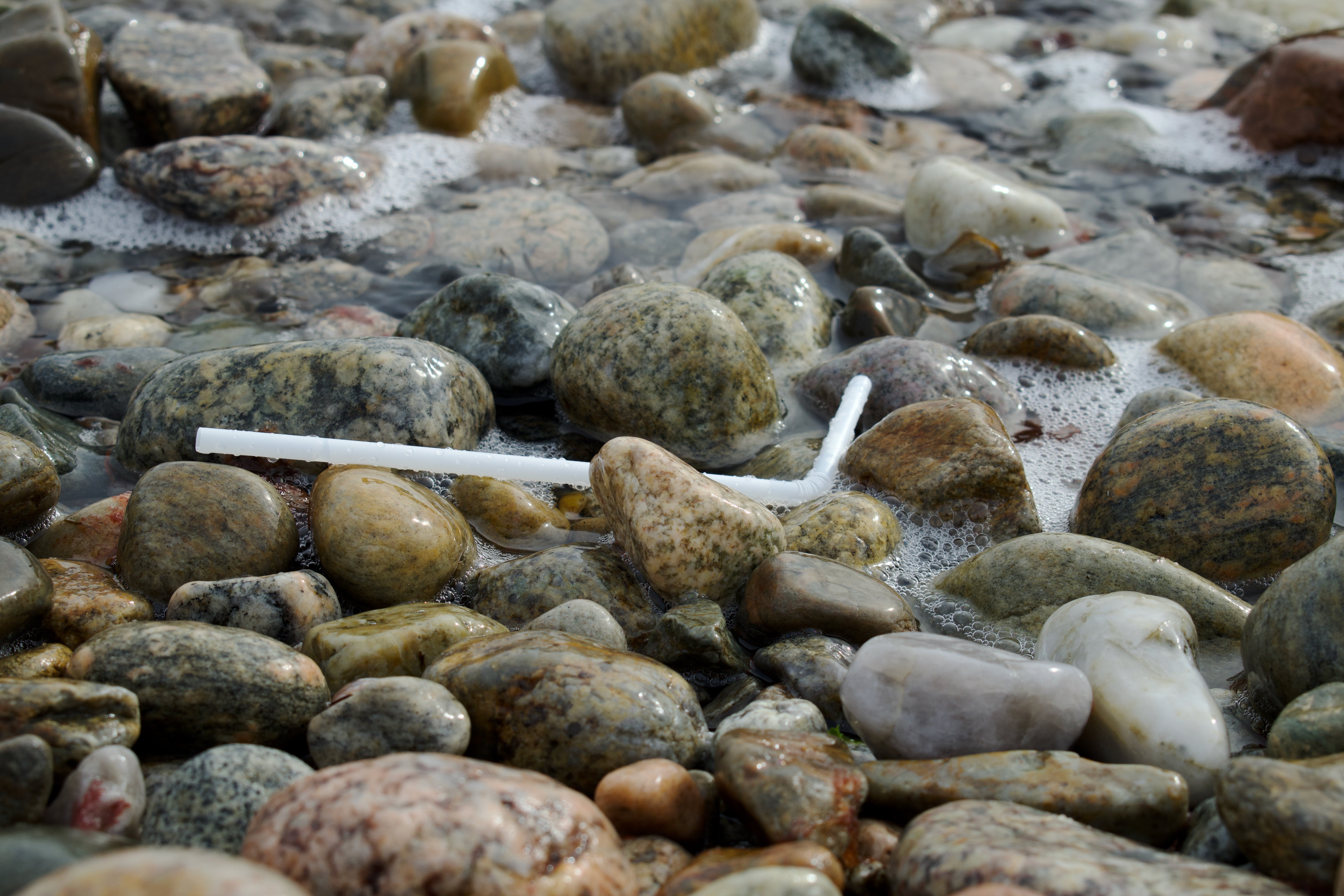
I was surprised that two of the straws advertised as containing bio-derived fillers, such as agave bagasse and oyster shell, were still made with PP. In fact, the PP straw filled with oyster shell used nearly the same amount of PP as a conventional PP straw. So, it essentially did not reduce the total amount of plastic needed to make the product.
In the introduction of your paper, you say, “The details provided by brands and manufacturers range from cryptic and vacuous marketing language to informative and readily accessible messaging." Can you elaborate on this?
The advertising and product information about the different straws could be difficult to make sense of for some products, while for others, it was very descriptive. In general, products with less transparency and detail tended to have greater estimated environmental impacts across the evaluated metrics. Conversely, those that were more open about their product tended to have lower estimated environmental impacts.
What should businesses and customers look for in products to ensure claims are substantiated, and what should the industry do to be more transparent?
A good rule of thumb is that the more open a brand is about its product, the lower the estimated environmental impacts of that product tend to be. Better, though, is to seek out resources from trusted organizations for making sense of marketing language and claims. Surfrider's Ocean Friendly Foodware Guide is a great example of such a resource. Putting together these guides and conducting this research is not easy. As a whole, the industry would benefit from adopting a standardized set of certifications that lend credibility to its environmental claims. In this way, much like a nutrition facts label, consumers could easily evaluate the sustainability and environmental impacts of products.
Anything else you would like to share?
Choosing the “right” straw or product is when you get to think like a materials engineer. So, what are some informed actions you can take? Ditch the single-use plastics altogether. Reducing your use of plastic is the best prevention to plastic pollution. Of course, from time to time, you may need a single-use product, so opt for those made of marine-biodegradable materials (cellulose acetate, polyhydroxyalkanoates, and paper). Ultimately, I encourage everyone to be more mindful about the products they use and what those products are made of.
Bioplastic Resources
We know that bioplastics can be a confusing topic. Surfrider has plenty of resources listed on our Bioplastic Facts & Resources Webpage for you to explore.
Stay tuned! Surfrider will be releasing a new version of our Ocean Friendly Foodware Guide this summer, which will feature new tools to avoid greenwashing, restaurant case studies, and a purchasing guide with foodware products categorized as ‘best choice,' 'good alternative,' ‘what to avoid,’ and what is assessed on a ‘case by case basis.’
Mythbusting Bioplastic Blog Series
This blog is the second of our new “Mythbusting Bioplastic Blog Series" where we will help you navigate the complicated world of bioplastic. In this series, we’ll dive into misleading eco labels, hear about some of the policies driving bioplastic’s growth, how to talk to restaurants about bioplastic, and more!
 As Ocean Friendly Programs Manager, CJ brings a wealth of experience reducing plastic not just in the environment, but also within the dining and hospitality industries. She has a master’s degree in Development Practice from Emory University with a focus on Monitoring and Evaluation (M&E) and Environmental Conservation.