
You may have seen the recent Executive Order by President Trump eliminating the procurement of paper straws in favor of plastic straws.
Straws are often used for mere minutes and may take decades if not over a hundred years to decompose. Roughly two-thirds of all plastic ever produced remains in the environment today—either as pollution in oceans and other landscapes, as microparticles in air, soil, and rain, or as microparticles in humans and animals.
In 2024, Surfrider volunteers collected over 20,000 straws and stirrers, and these items are continually in the top ten most collected items at beach cleanups. As much as disposable plastic straws pose a threat to our communities and environment, they are a part of a much larger problem. Here’s why:
Plastics are Toxic to Our Bodies
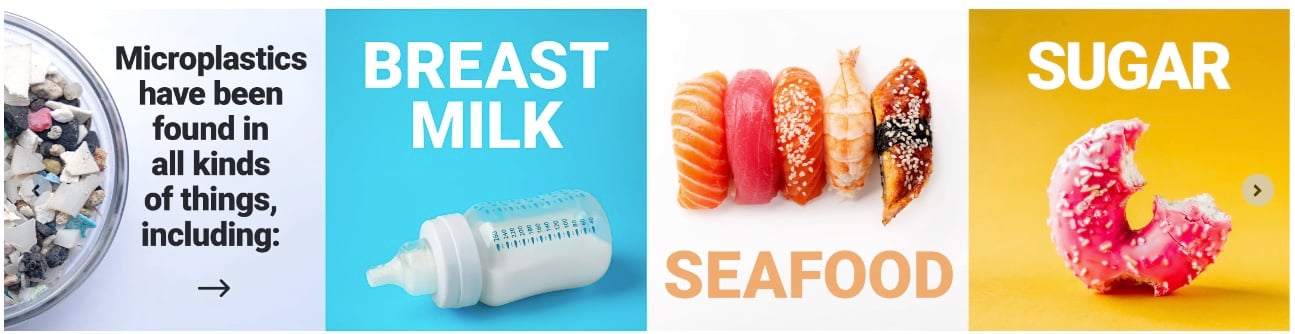
Studies have found microplastics in our blood including PET (Polyethylene terephthalate), polystyrene and polyethylene. Humans may be consuming and inhaling up to 121,000 microplastic particles each year. Some of these chemicals have been linked to health problems such as metabolic disorders, cancers, and reduced lung capacity.
The Whole Lifecycle of Plastics is Harmful
Plastic pollutes at all stages of its life cycle beginning with fossil fuel extraction, and disproportionately impacts BIPOC, rural, and low-income fenceline communities. The plastic-making process poisons the air and water of communities adjacent to production facilities, and is a major contributor to climate change.
Switching to Reusables is Better for Businesses
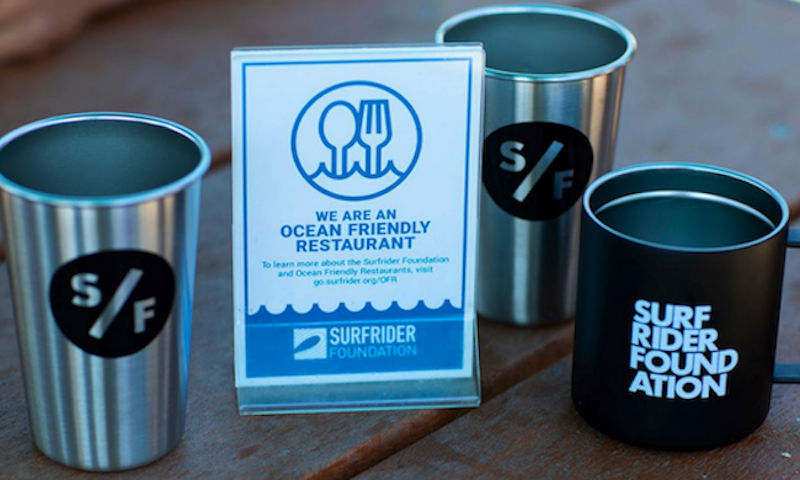
There are plenty of better alternatives to disposable plastic straws that are better for you and the environment! It also saves businesses and local governments money when they switch to reuse. That’s because businesses don’t need to continue purchasing foodware items and there is less trash for local government (and beach cleanup volunteers!) to pick up and manage. It’s a win-win-win. That’s why businesses join our Ocean Friendly Restuarants program.
Communities throughout the country want a cleaner, healthier coast and coastal economy. That’s why Surfrider has helped lead the way in demanding lawmakers take action to reduce plastic pollution on our beaches and in our ocean.
Come join us in protecting our ocean, waves, and beaches!
 Miho is the Plastic Pollution Initiative Senior Manager. She has a Masters in Environmental Science and Management from the University of California, Santa Barbara, and served as a California Sea Grant State Fellow for the California Natural Resources Agency.