

The fight for beach access is never ending, and the Surfrider Foundation strives to ensure that our coastline remains accessible to everyone.
These victories demonstrate the power of local advocacy, community engagement, and policy change to protect public access and advance a more equitable beach experience.
There are two major categories we can sort beach access victories into--protecting access that already exists and expanding access. These two categories can then be further separated into two major types: “geographic” which is preserving and expanding physical entry points (and sometimes entire beaches), and “equitable” where we are expanding access by providing more opportunities to enjoy the beach, such as low cost transportation options and swim/surf lessons.
VICTORIES
New York
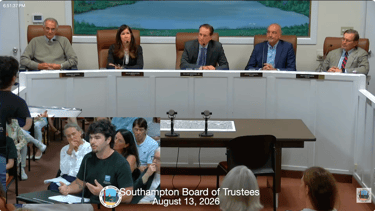
In Southampton Village, New York, Surfrider’s Eastern Long Island Chapter successfully defeated proposed changes to beach parking regulations that would have significantly restricted public beach access. The proposal would have required beach parking permits year-round rather than only during the traditional May 15 to September 15 beach season, while potentially expanding the areas where permits were required. For the thousands of residents and visitors who rely on the off-season to access Southampton’s beaches for surfing, fishing, paddleboarding, swimming, and other recreational activities, these changes would have created a significant new barrier. Surfrider Eastern Long Island mobilized community members, raised public awareness, alerted the media, and testified at a public hearing. On August 13, 2026, the Southampton Village Board of Trustees voted against the proposed changes, preserving broader public access to its beaches. Read more here.
New Hampshire
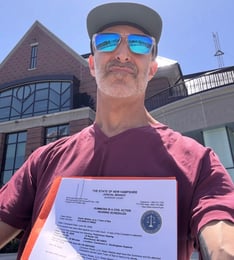
When the Town of Rye eliminated approximately 90 free roadside parking spaces along Ocean Boulevard and surrounding streets, Surfrider’s New Hampshire Chapter joined local residents, businesses, and community partners to defend affordable public access to the coast. The parking changes, made in the name of traffic safety, threatened to make it significantly harder for non-residents and lower-income beachgoers to access Rye’s beaches. Through community mobilization, public advocacy, and engagement with local and state decision-makers, Surfrider helped elevate the issue and push for a solution that balanced safety with public access. In July 2026, Governor Kelly Ayotte directed the New Hampshire Department of Transportation to restore nearly all of the eliminated parking spaces—a significant step toward preserving public access to Rye’s coastline. You can read more about the active campaign here.
Florida
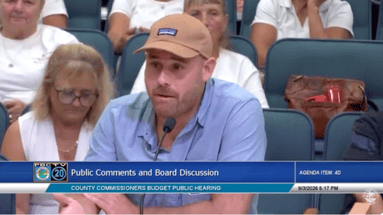
In Palm Beach County, Surfrider opposed new parking fees at 12 public beach parks. The proposed $4-per-hour fee was presented as a way to address budget gaps, but the blanket fee would have placed a disproportionate burden on families, seniors, veterans, low-income residents, and many others who depend on affordable access to the coast. Following swift opposition from the Surfrider Palm Beach County Chapter and community members, the County Commission revised its plan to offer a county resident parking pass while still charging fees for out-of-county beachgoers. Surfrider highlighted concerns about the implementation and accessibility of a resident parking pass. Surfrider also continued to oppose new fees for out-of-county beachgoers, especially if imposed without guardrails, caps, and transparency. In September 2026, the County Commission withdrew all plans for new public parking fees at the County beaches. Read more here.
California
California delivered two major policy victories that expand coastal access. AB 2734 ensures that revenue from California’s Whale Tail License Plate is directed toward the coastal access, education, conservation, and recreation programs the plate was intended to support. Beginning January 1, 2027, half of the revenue will fund California Coastal Commission programs—including Whale Tail Grants, Adopt-A-Beach, Coastal Cleanup Day, and public education—while the other half will support State Coastal Conservancy grants that connect people, particularly underserved communities, with the coast. Read more here.
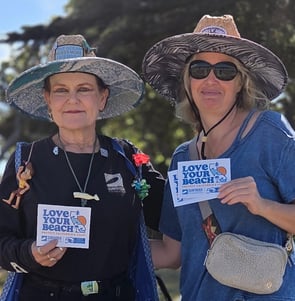
California’s SB 1268—the Outdoors for All Initiative—establishes a statewide commitment to making California’s parks, beaches, trails, forests, and open spaces accessible to everyone, regardless of income, geography, age, disability, or background. The legislation directs the state to identify and address barriers such as transportation, park fees, language access, safety, and the lack of nearby outdoor spaces. It also calls for investment in disadvantaged and low-income communities, coordination with California’s 30x30 conservation goals, and transparent annual reporting with opportunities for community input. Read more here.
These victories demonstrate that protecting beach access includes ensuring people have practical, affordable, and equitable ways to enjoy our coasts. Whether stopping restrictive parking policies, challenging new fees, directing dedicated funding toward coastal access, or establishing statewide commitments to outdoor equity, Surfrider is making the coast a place where everyone can belong.
If you want to learn more about beach access and the actions Surfrider is taking, check out our Beach Access blogs.